BM-67
Huntington's Disease
CategoryComplex Brains
LocationRack and row to be confirmed
Description
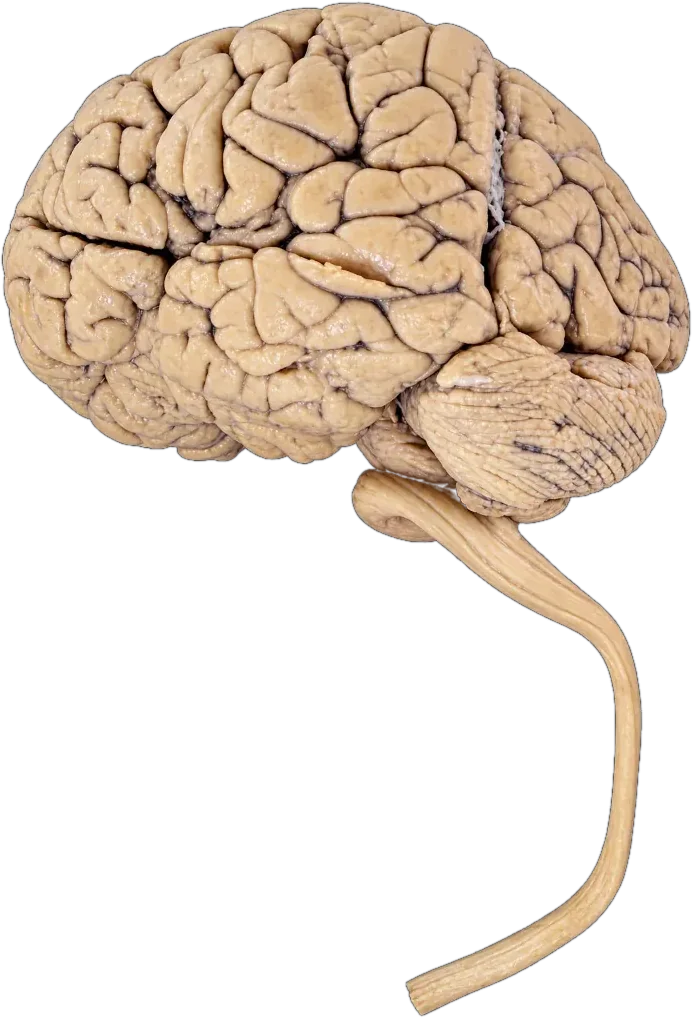
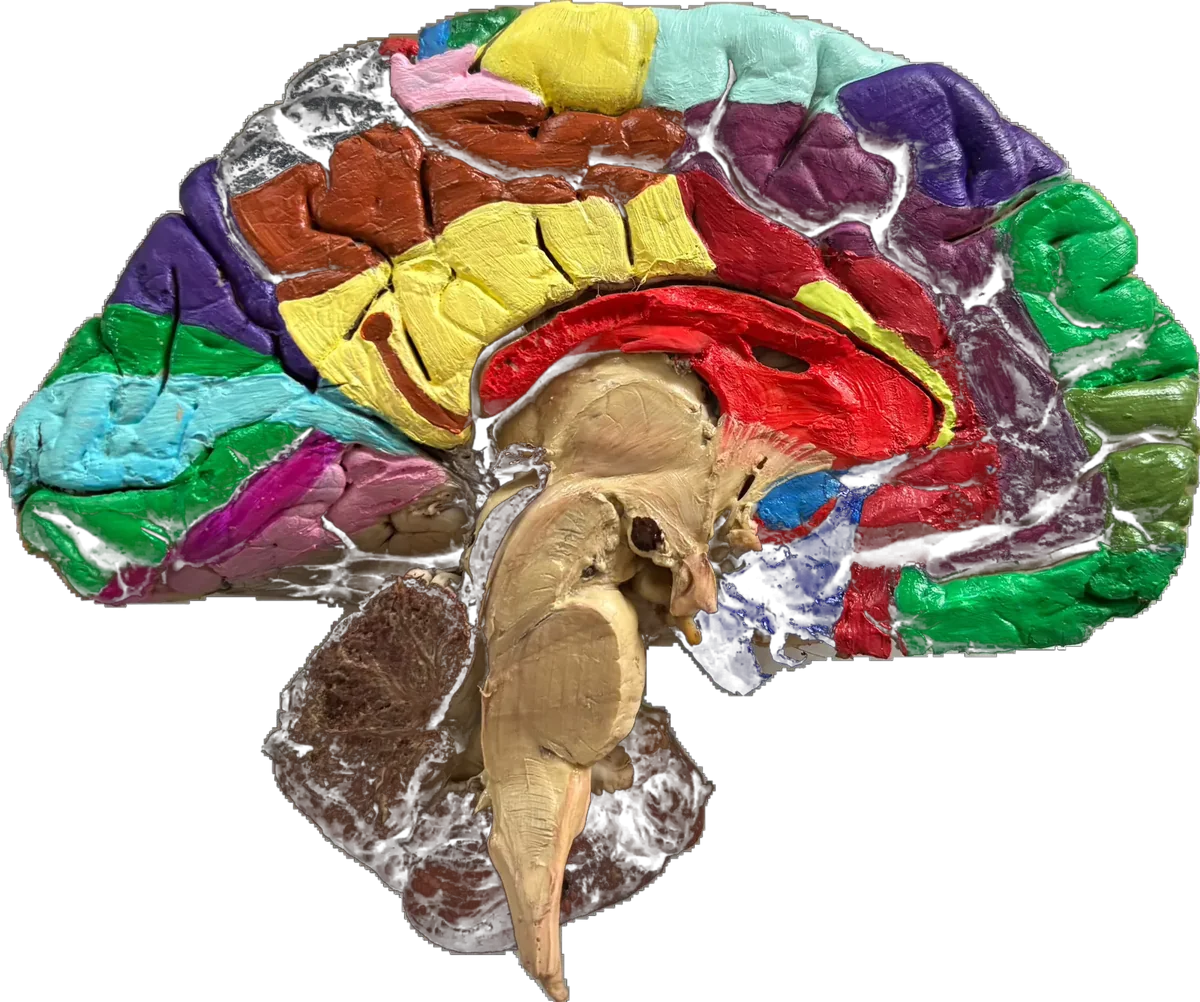
Huntington's disease is an inherited, progressive neurodegenerative disorder caused by a CAG trinucleotide repeat expansion in the HTT gene on chromosome 4. It primarily affects neurons of the striatum, particularly the caudate nucleus and putamen, disrupting the basal ganglia circuits responsible for controlled movement. The characteristic gross finding is atrophy of the caudate nucleus, especially its head, with secondary enlargement of the frontal horns of the lateral ventricles. Progressive cortical atrophy may also occur. Clinically, patients develop chorea, impaired coordination, behavioural and psychiatric disturbances, and progressive cognitive decline.