BM-62
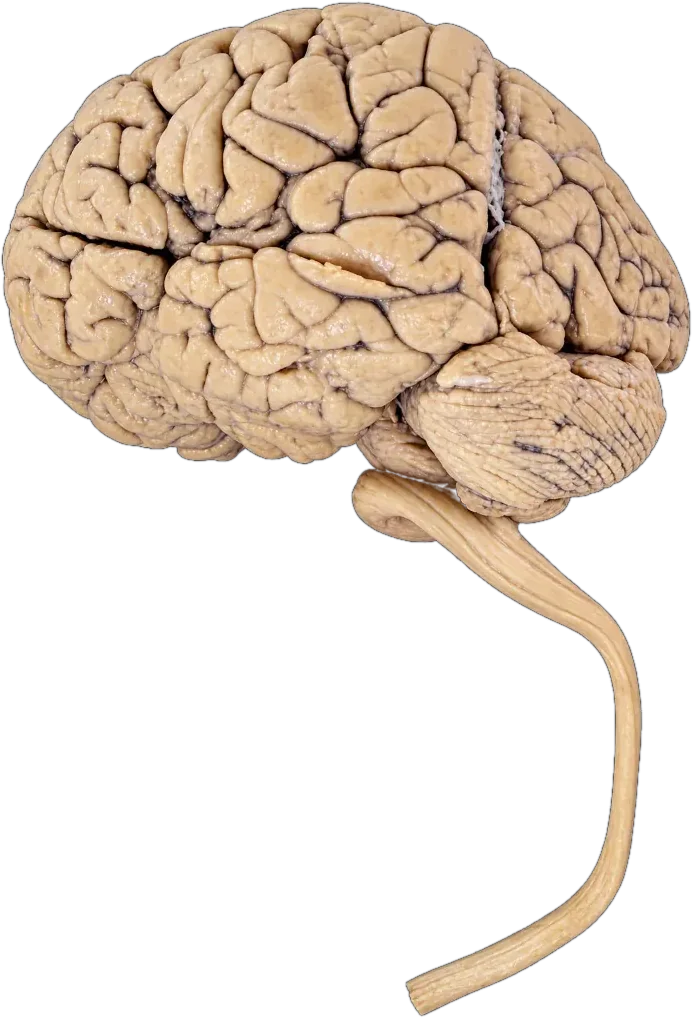
Infant Brain with Spinal Cord
CategoryComplex Brains
LocationRack and row to be confirmed
Description
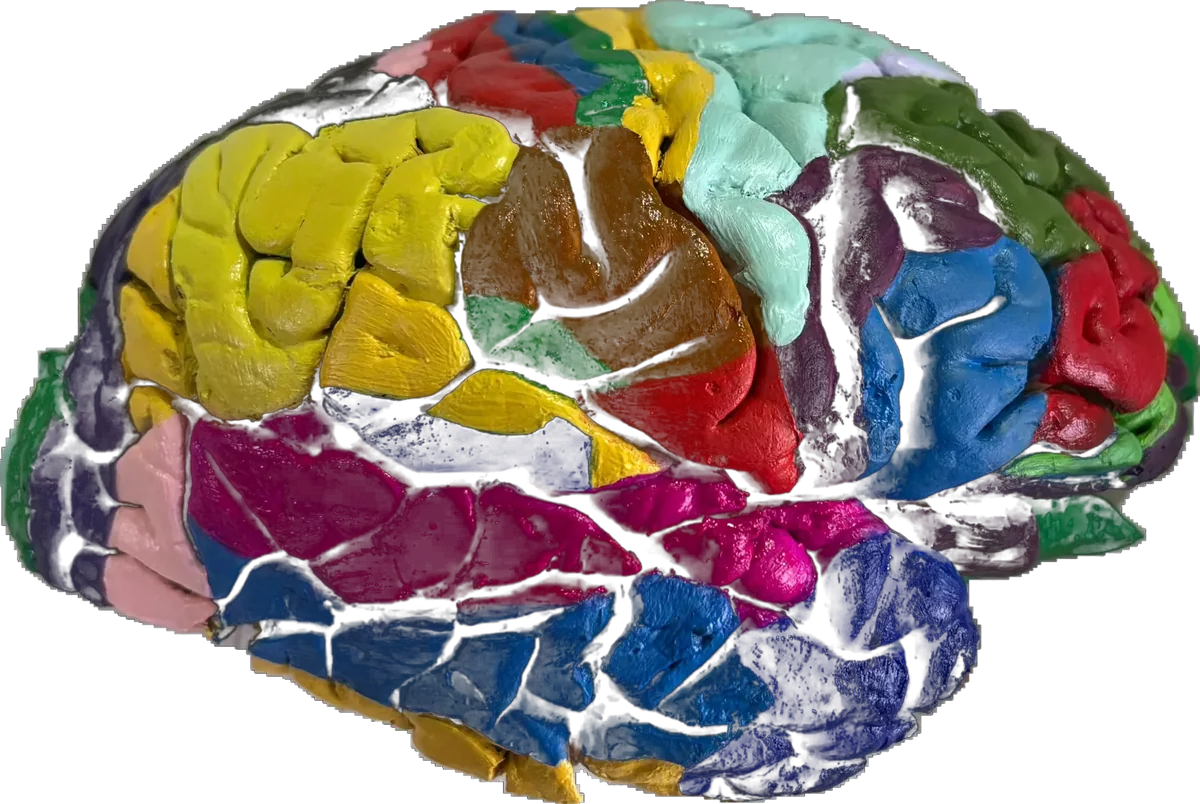
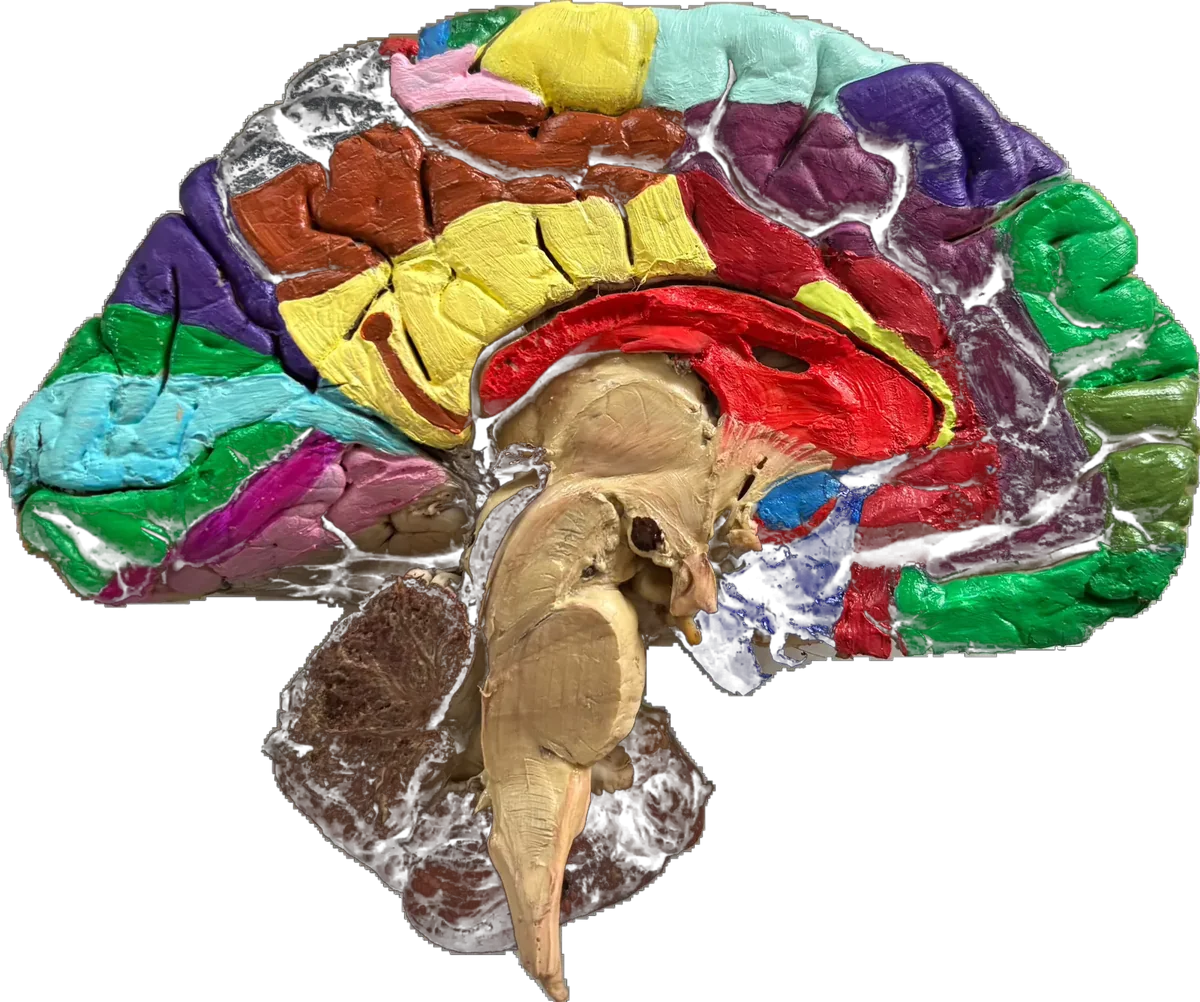
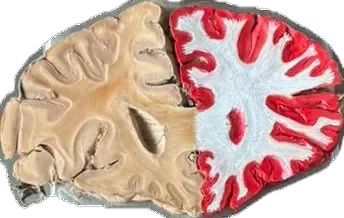
The infant brain represents a rapidly developing central nervous system, in which neuronal connections, myelination and functional maturation continue extensively after birth. Compared with the adult brain, it has less completely developed cortical gyri and sulci, higher water content and incomplete myelination. The brainstem continues inferiorly as the spinal cord, forming the major pathway connecting the brain with the peripheral nervous system. Examination of the infant brain and spinal cord is particularly important for identifying congenital malformations, birth-related injuries, infections, hypoxic–ischemic injury and developmental abnormalities during fetal and pediatric autopsy.