BM-82
Structures of Basal Ganglia
Description
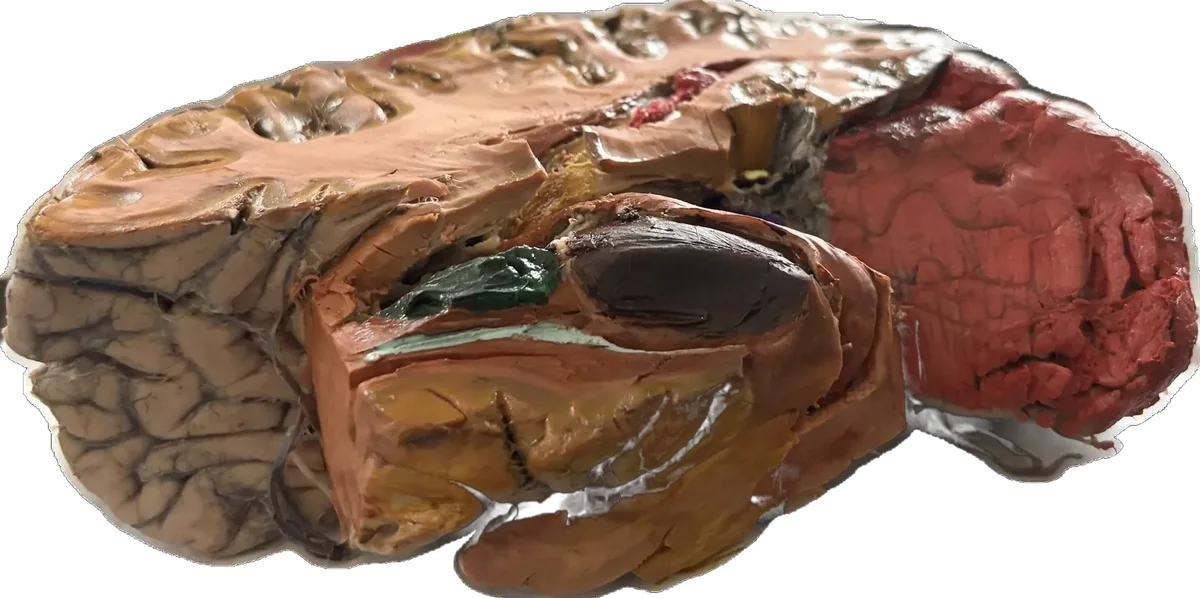
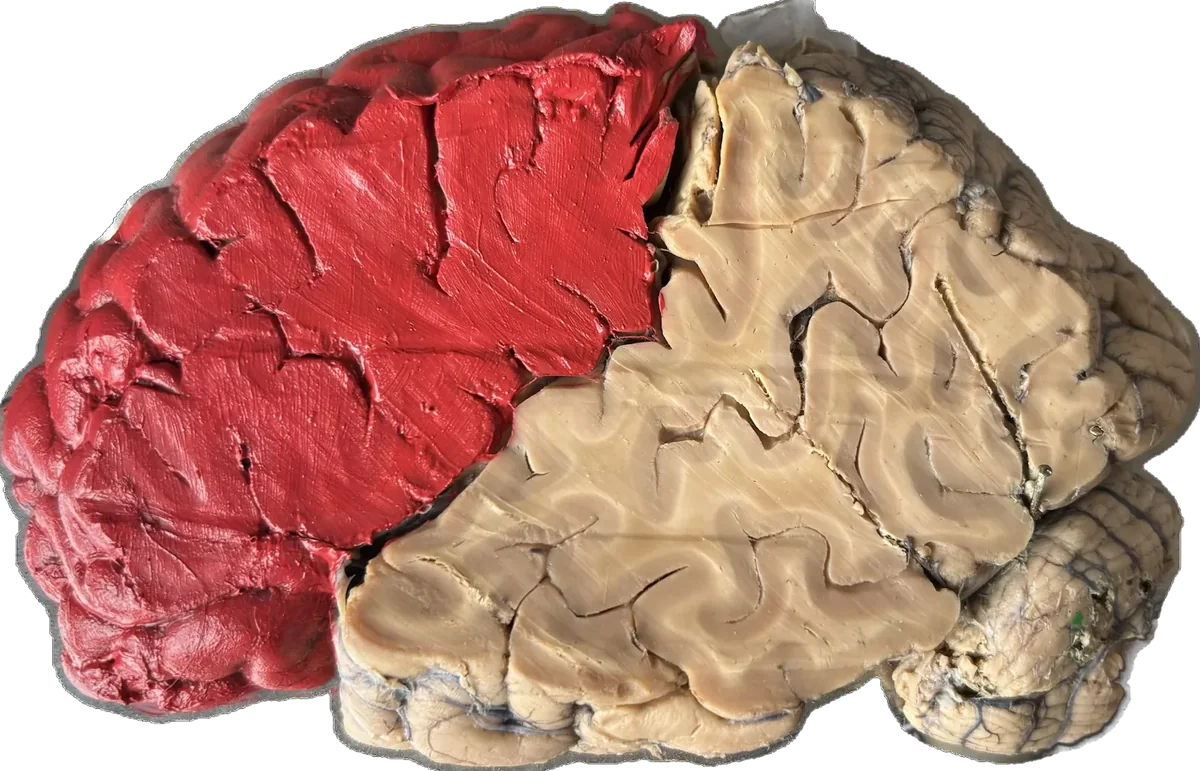
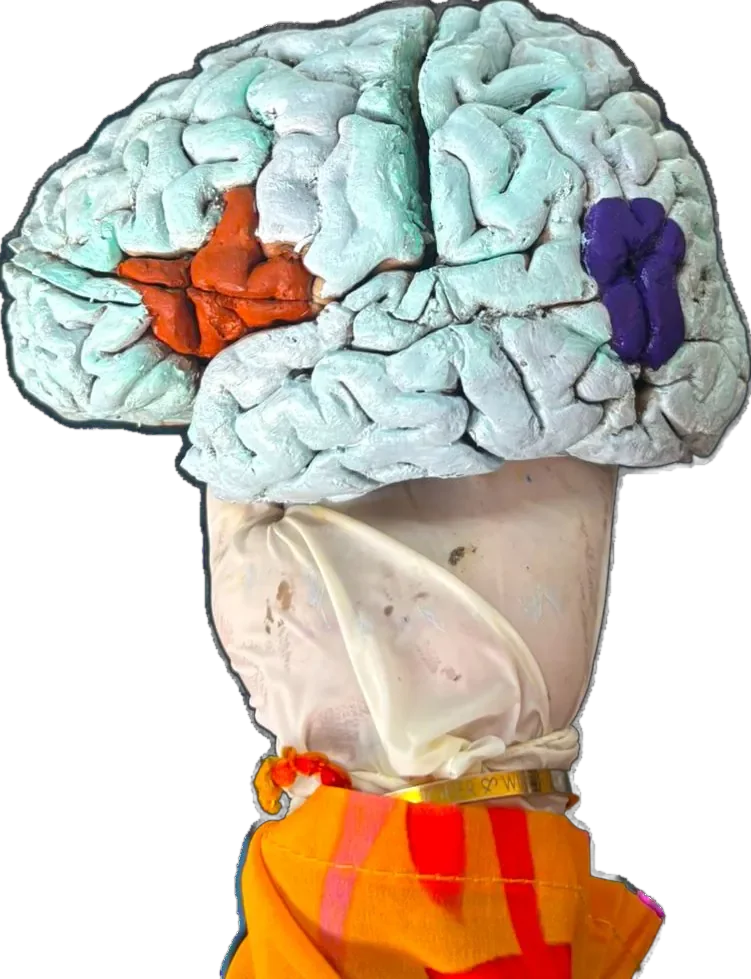
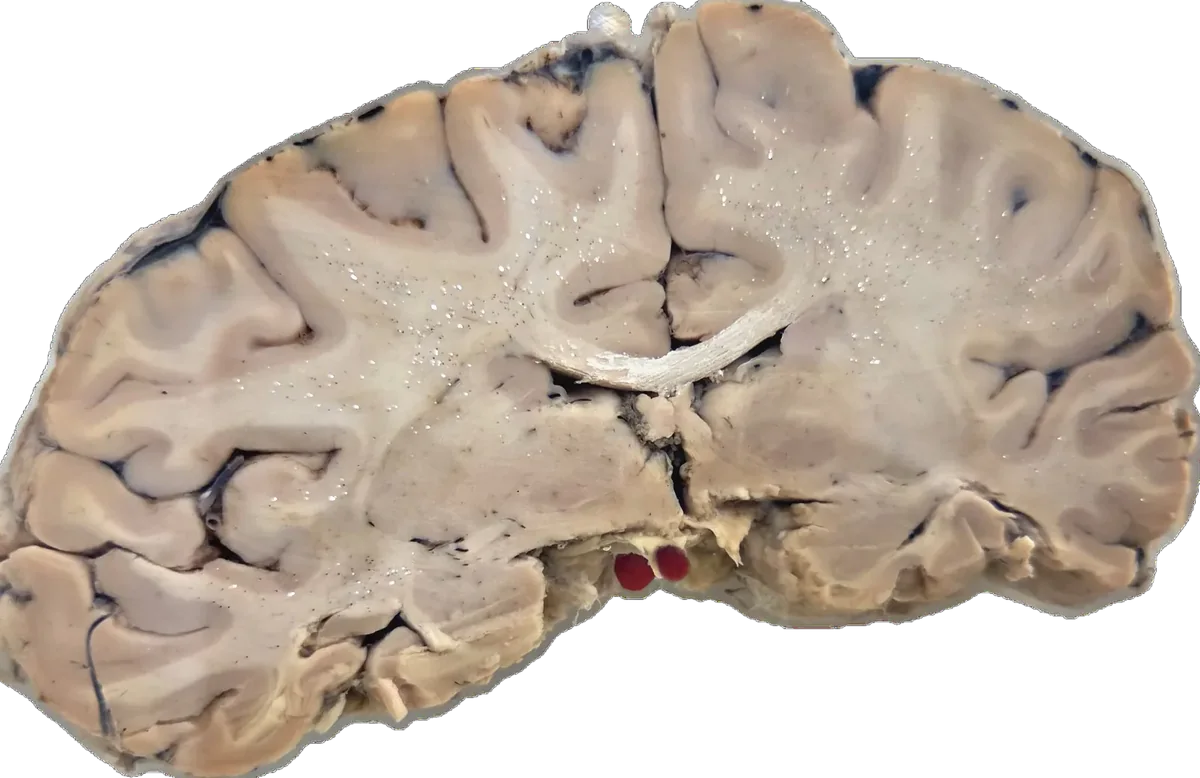
The basal ganglia are a group of deeply situated subcortical nuclei that regulate the initiation, coordination and smooth execution of voluntary movement. Their major components include the caudate nucleus, putamen and globus pallidus, functionally associated with the subthalamic nucleus and substantia nigra. The caudate nucleus and putamen together form the striatum, the major input centre, while the globus pallidus forms an important output component. Rather than directly producing movement, the basal ganglia act as a movement-selection system—facilitating intended motor activity while suppressing unwanted movements. They also participate in motor learning, habit formation, reward, cognition and behaviour through their extensive connections with the cerebral cortex and thalamus. Dysfunction of these circuits produces characteristic movement disorders.