BM-37
Guardians of Memory - Mammillary Bodies
Description
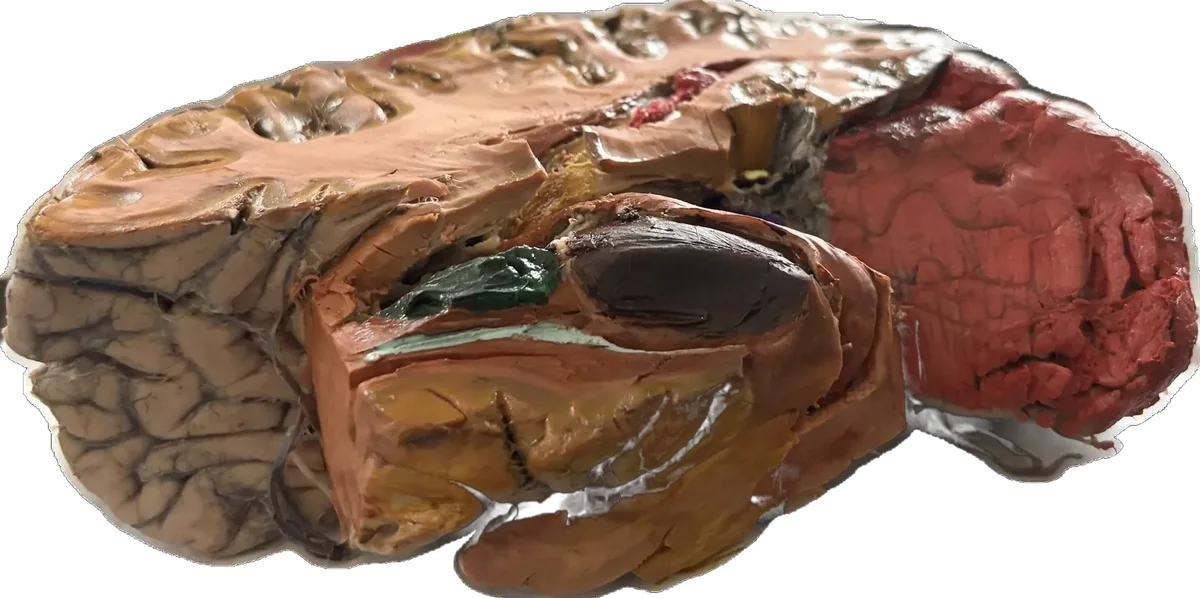
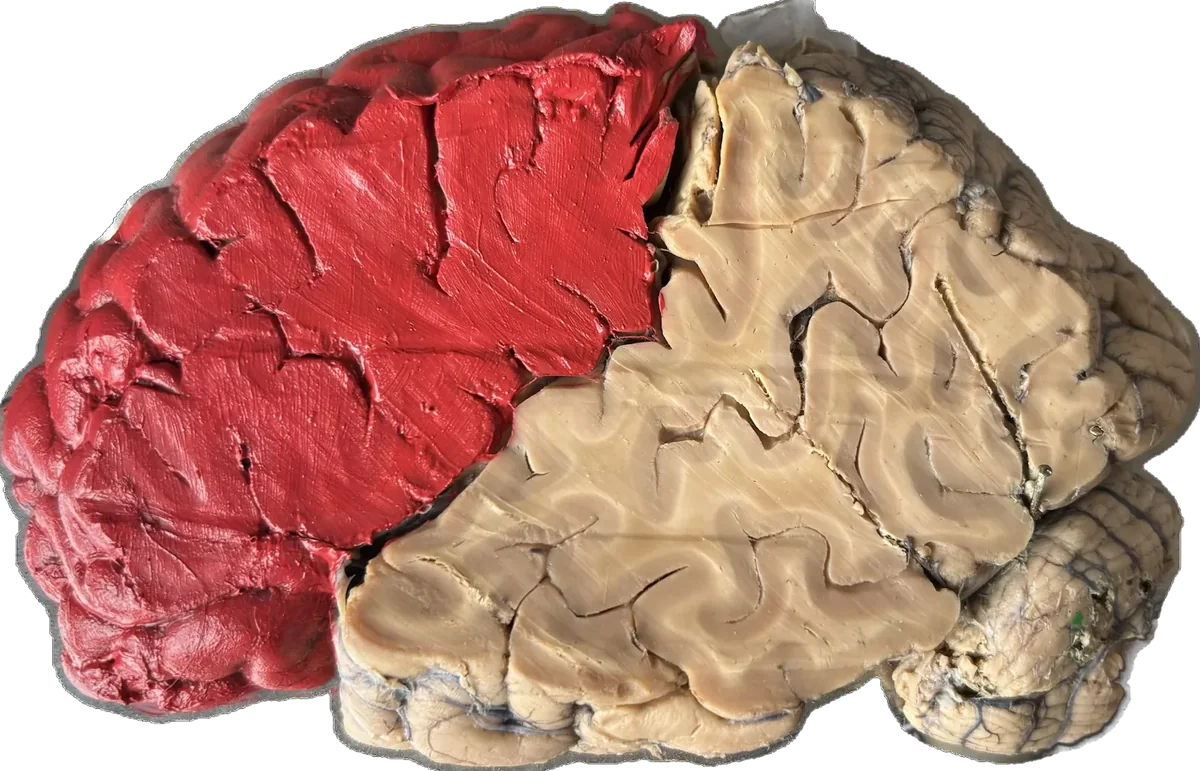
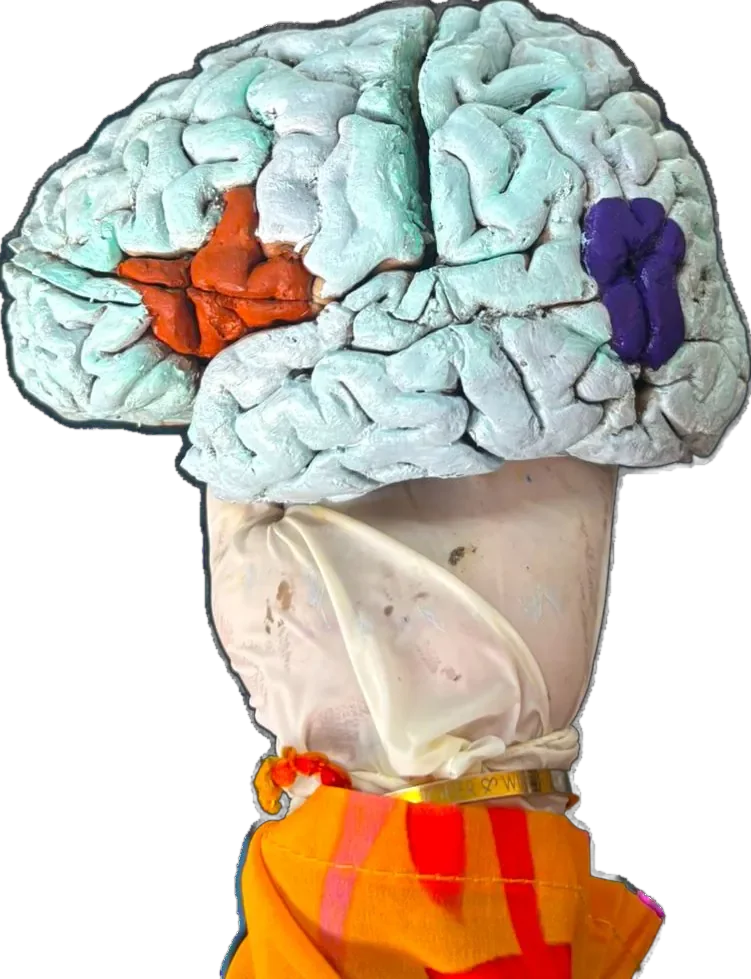
The mammillary bodies are a pair of small, rounded structures located on the undersurface of the hypothalamus, forming an important component of the limbic system. Although small in size, they play a crucial role in memory formation, learning and recollection by acting as a relay station in the Papez circuit, transmitting signals from the hippocampus to the anterior nucleus of the thalamus through the mammillothalamic tract. Damage to the mammillary bodies, most commonly due to thiamine (Vitamin B₁) deficiency associated with chronic alcoholism, leads to Wernicke–Korsakoff syndrome, characterized by anterograde amnesia, confabulation, impaired learning and disorientation. Despite their modest appearance, the mammillary bodies are indispensable for preserving the continuity of memory, making them one of the brain's key structures for transforming experiences into lasting memories.