BM-46
Neurocysticercosis - The Parasitic Infection
Description
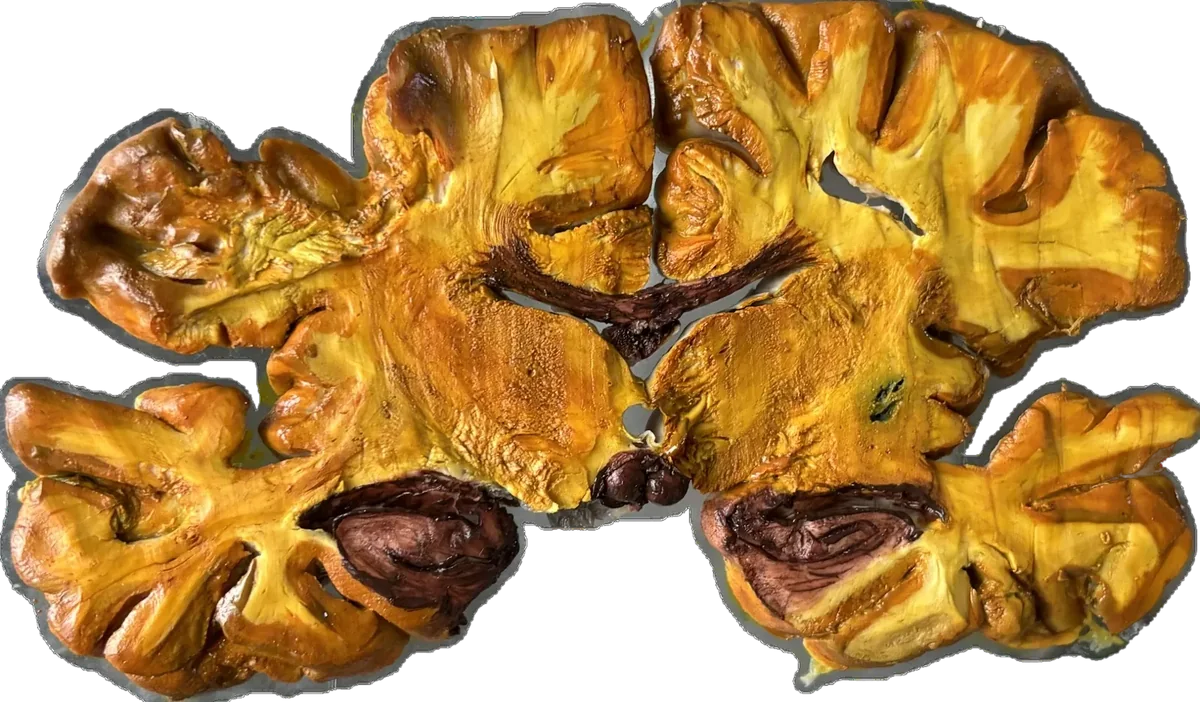
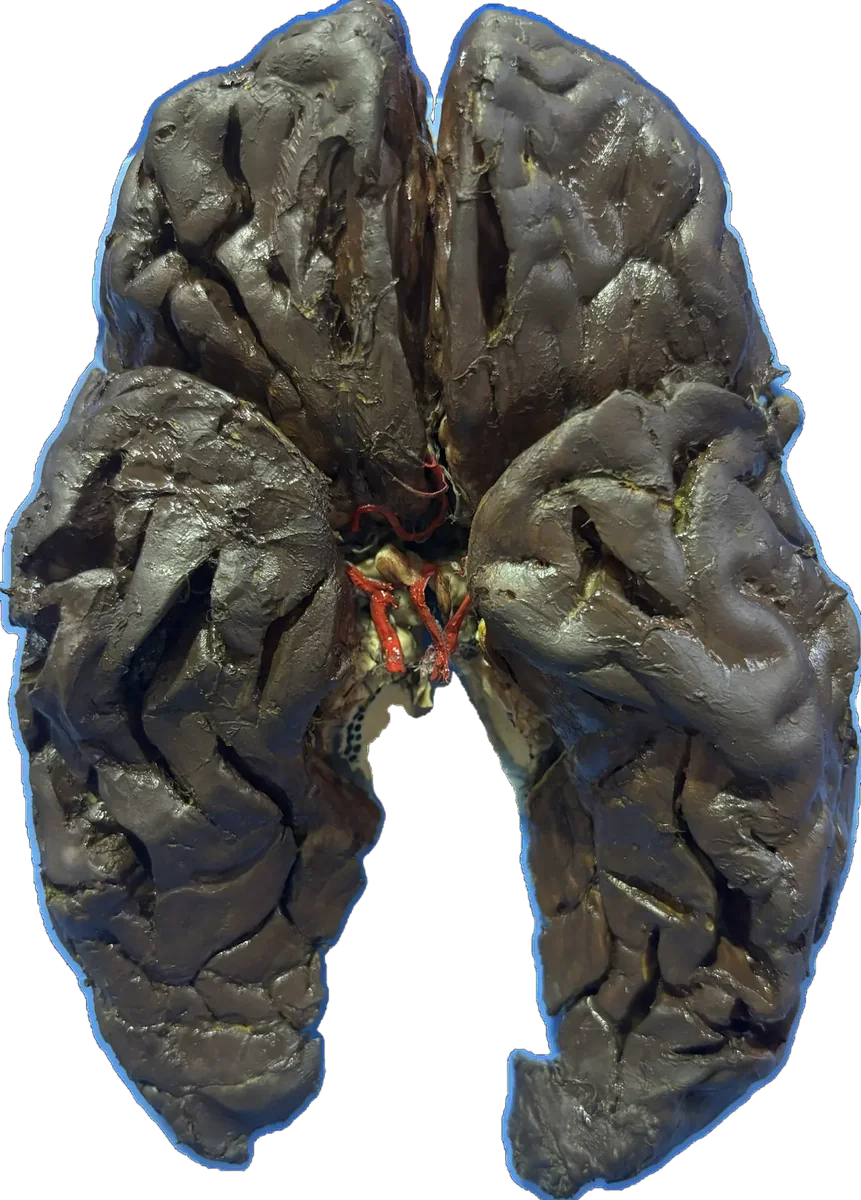
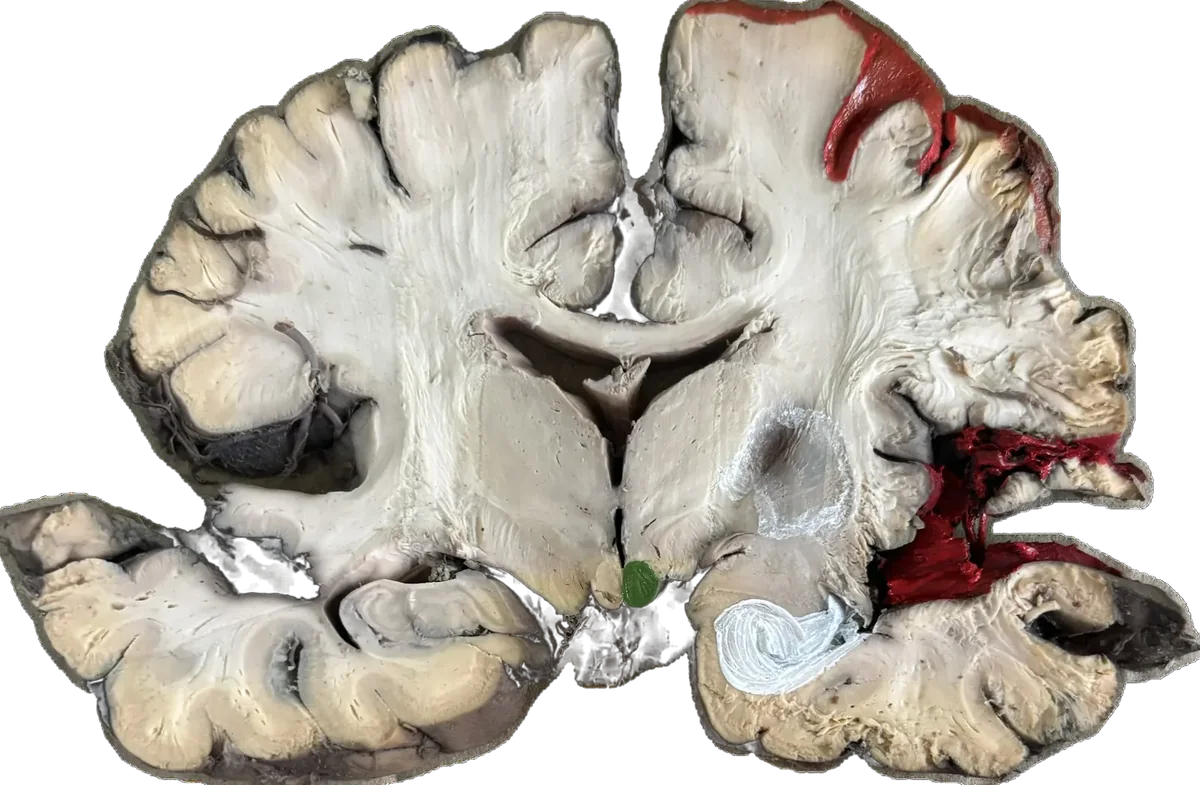
Neurocysticercosis (NCC) is the most common parasitic infection of the central nervous system and a leading cause of acquired epilepsy. It is caused by the larval stage (Cysticercus cellulosae) of the pork tapeworm, Taenia solium, after humans accidentally ingest its eggs through contaminated food or water. The larvae migrate through the bloodstream and lodge within the brain parenchyma, ventricles, subarachnoid space or spinal cord, where they form fluid-filled cysts. Clinical manifestations vary with the number, size and location of the cysts but commonly include seizures, persistent headaches, vomiting, focal neurological deficits, hydrocephalus and raised intracranial pressure. As the parasites degenerate, they trigger an intense inflammatory response that eventually leads to calcified lesions, often visible on CT scans. Diagnosis relies on CT or MRI imaging supported by serological tests, while treatment includes antiparasitic drugs, corticosteroids to control inflammation, and antiepileptic medications when seizures occur.