BM-47
Brain Herniation
CategoryNeuropathology & Neurodegeneration
LocationRack and row to be confirmed
Description
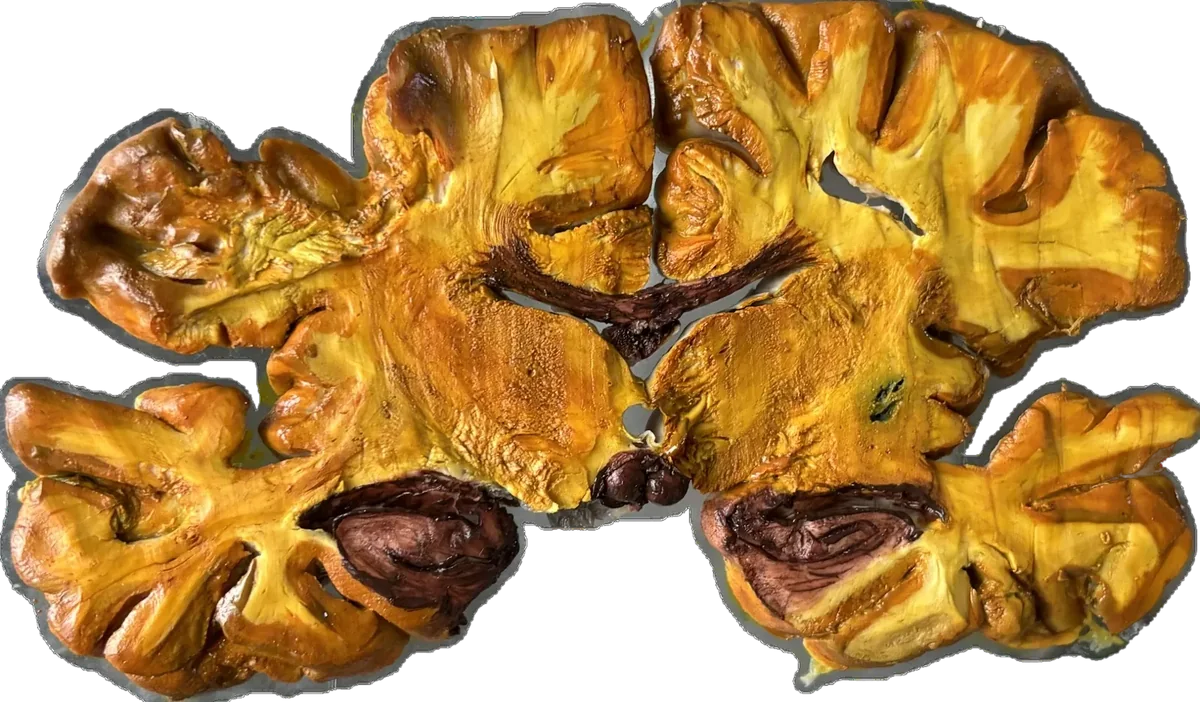
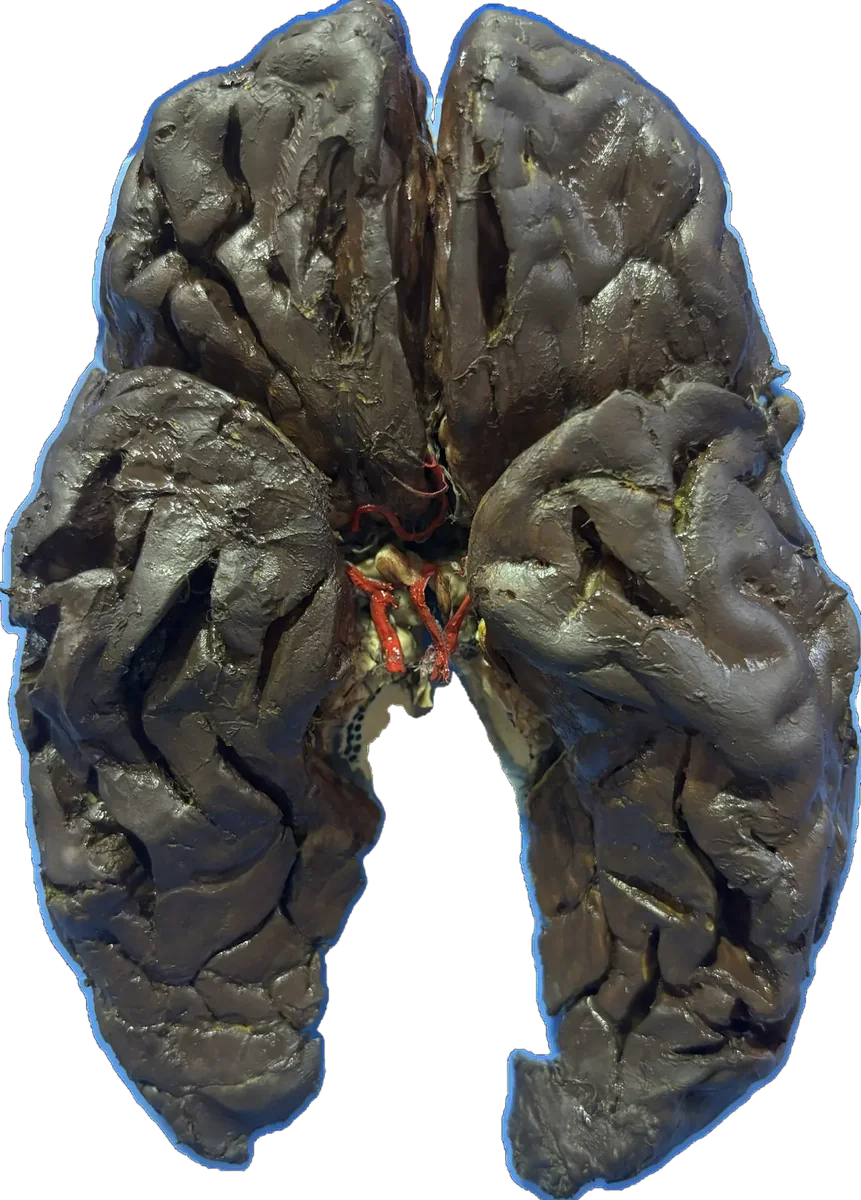
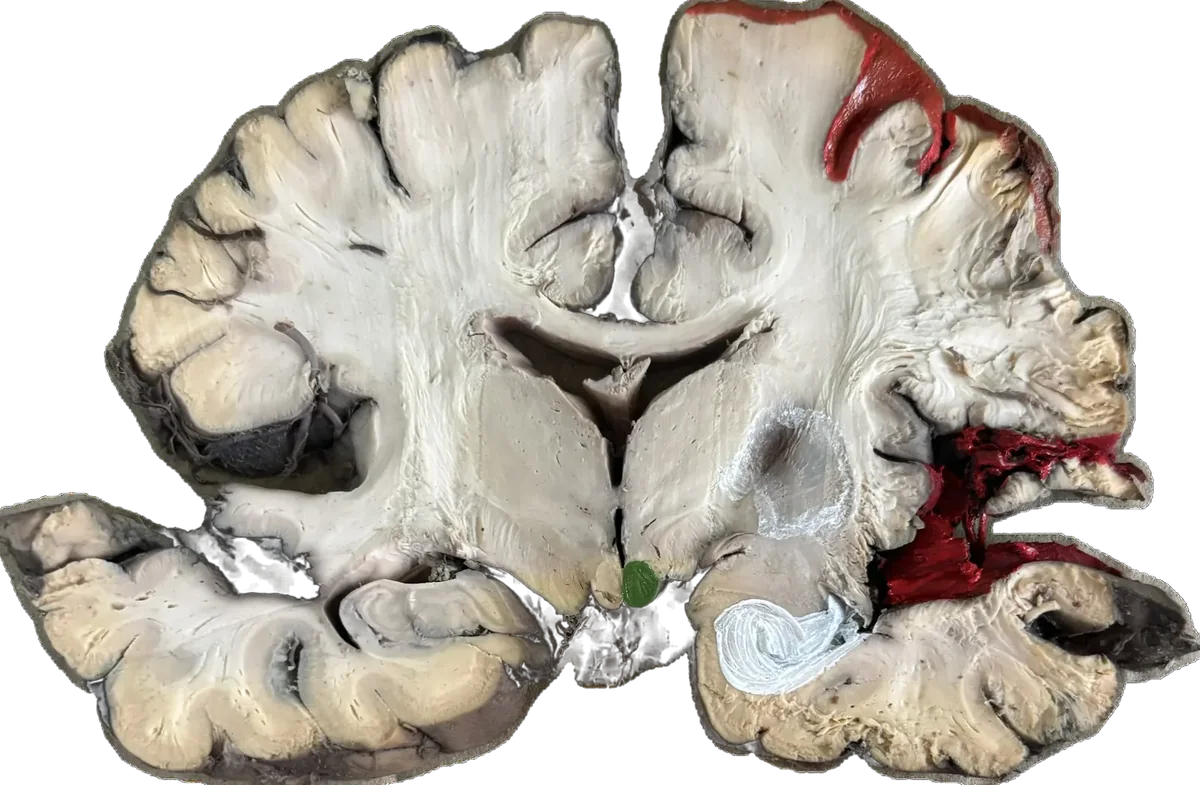
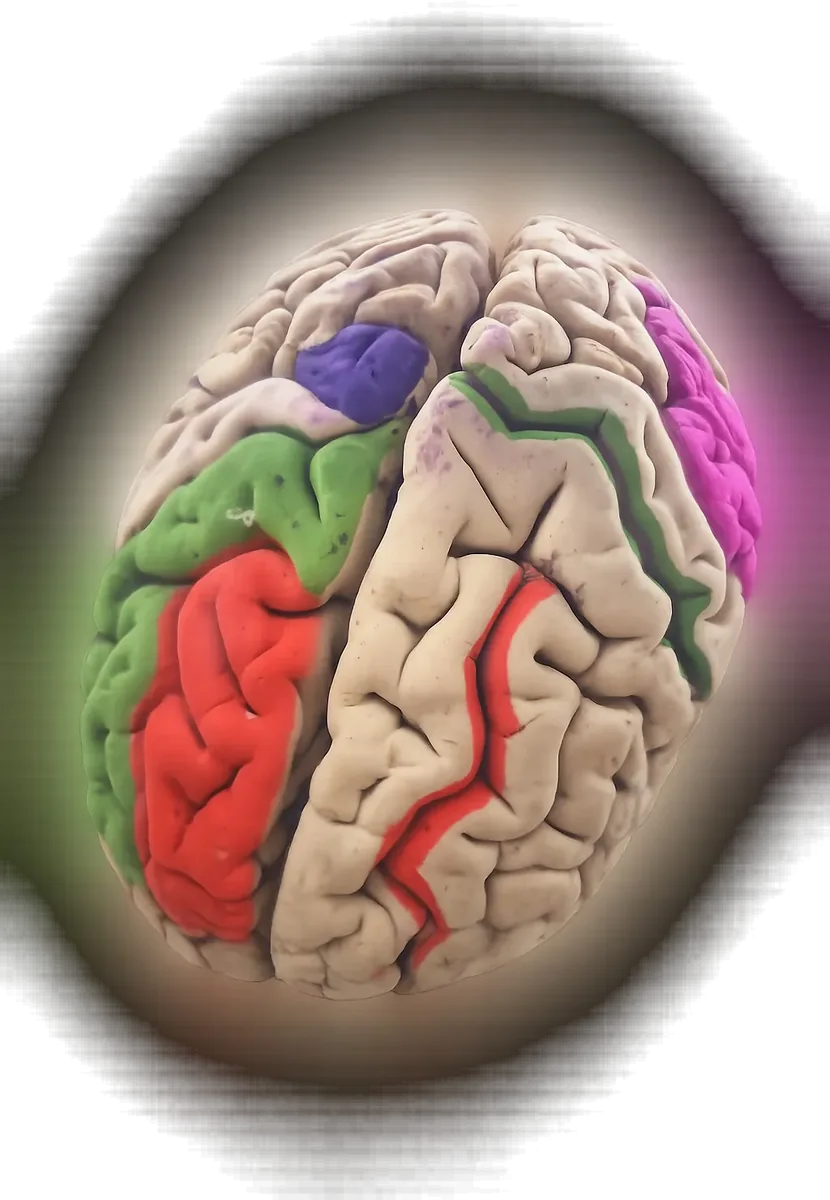
Brain herniation is the displacement of brain tissue from its normal intracranial compartment due to raised intracranial pressure, commonly caused by head injury, intracranial hemorrhage, cerebral edema, tumors, or other space-occupying lesions. Depending on the direction of displacement, it may occur as subfalcine, transtentorial (uncal or central) or tonsillar herniation. Compression of cerebral vessels and the brainstem can produce ischemia, altered consciousness, pupillary abnormalities, respiratory disturbances, and ultimately death. Secondary brainstem hemorrhages (Duret hemorrhages) may occur in severe downward herniation and are important findings during neuropathological and forensic examination.