BM-42
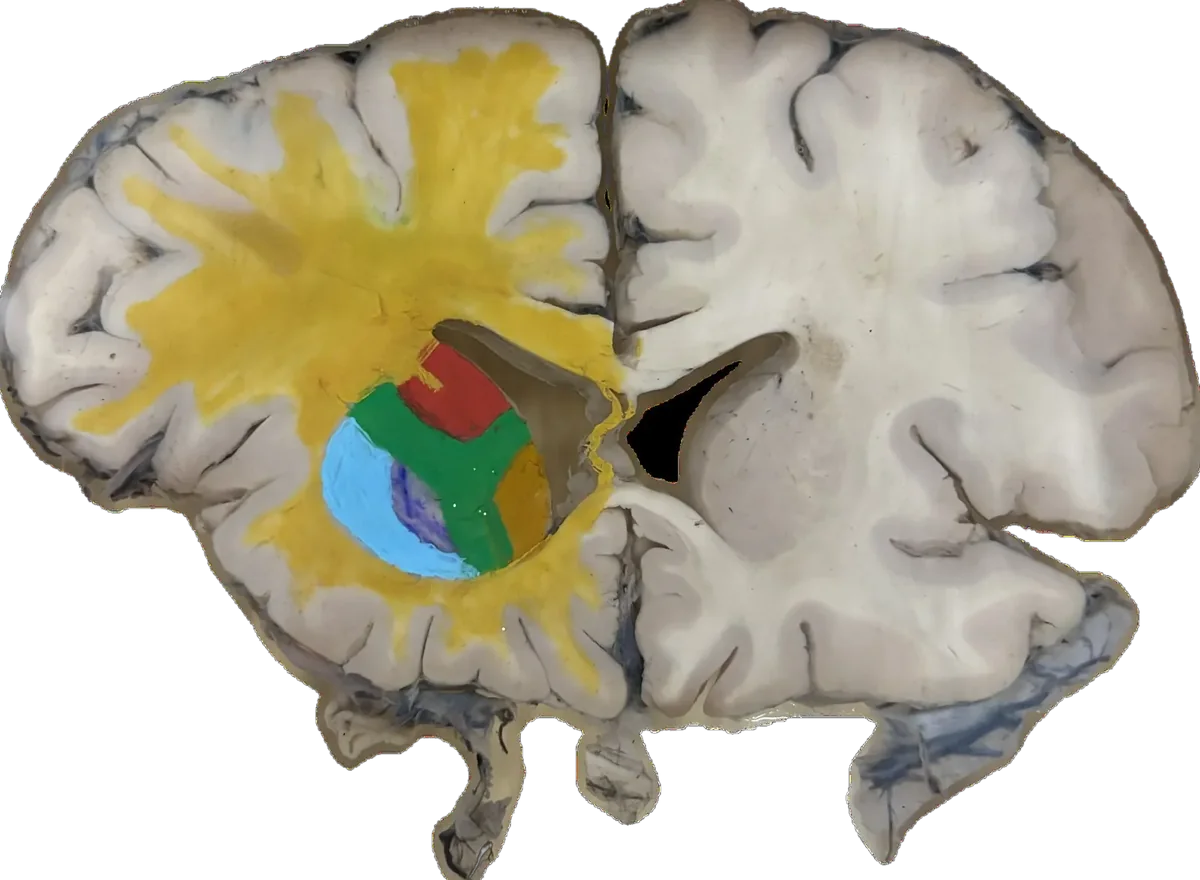
Coronal Section - Thalamus
Description
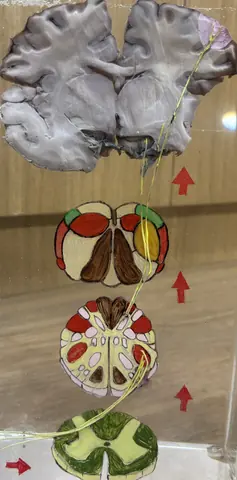
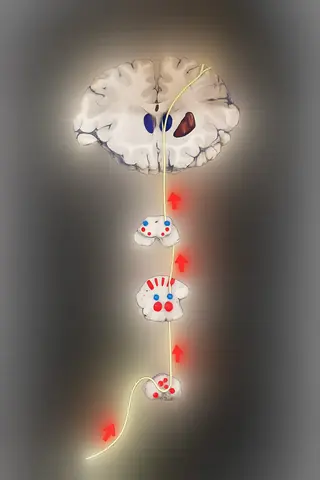
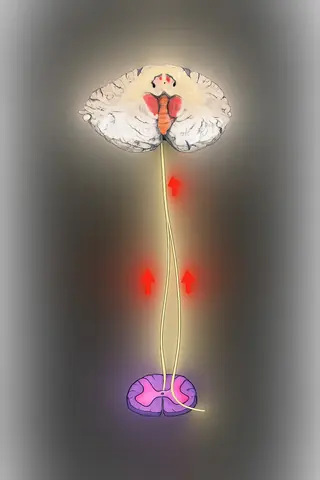
The thalamus is a pair of egg-shaped masses of gray matter situated deep within the brain on either side of the third ventricle, forming the largest component of the diencephalon. The brain's "Grand Central Relay Station," Beyond sensation, the thalamus plays a pivotal role in motor coordination, consciousness, attention, memory, emotional processing and regulation of the sleep–wake cycle through its extensive connections with the cerebral cortex, basal ganglia, cerebellum and limbic system. Damage to the thalamus can produce contralateral sensory loss, movement disorders, impaired consciousness, memory deficits, and the characteristic "thalamic pain syndrome" (Dejerine–Roussy syndrome), in which even light touch becomes intensely painful. Despite its compact size, the thalamus functions as the brain's central communication hub, ensuring the seamless integration of sensory perception, movement and higher cognitive functions.