BM-71
Cannabis Poisoning
CategoryToxicology
LocationRack and row to be confirmed
Description
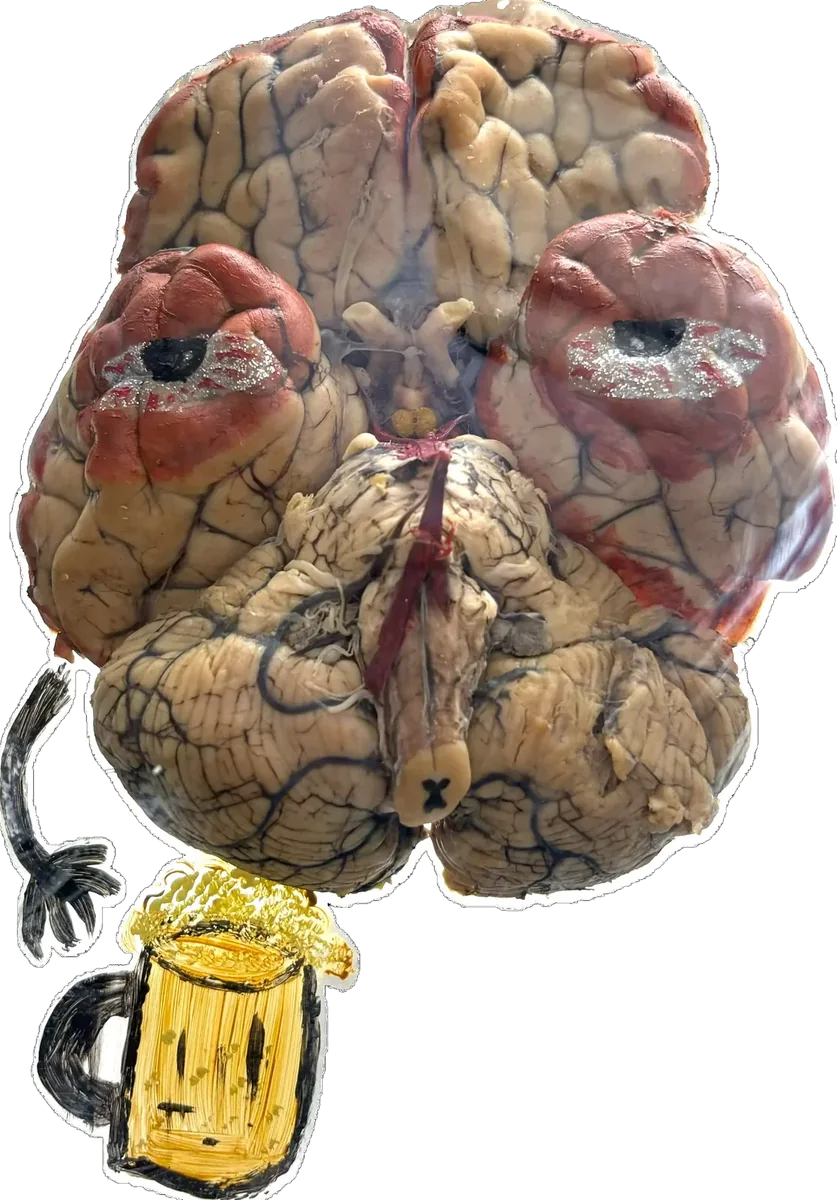
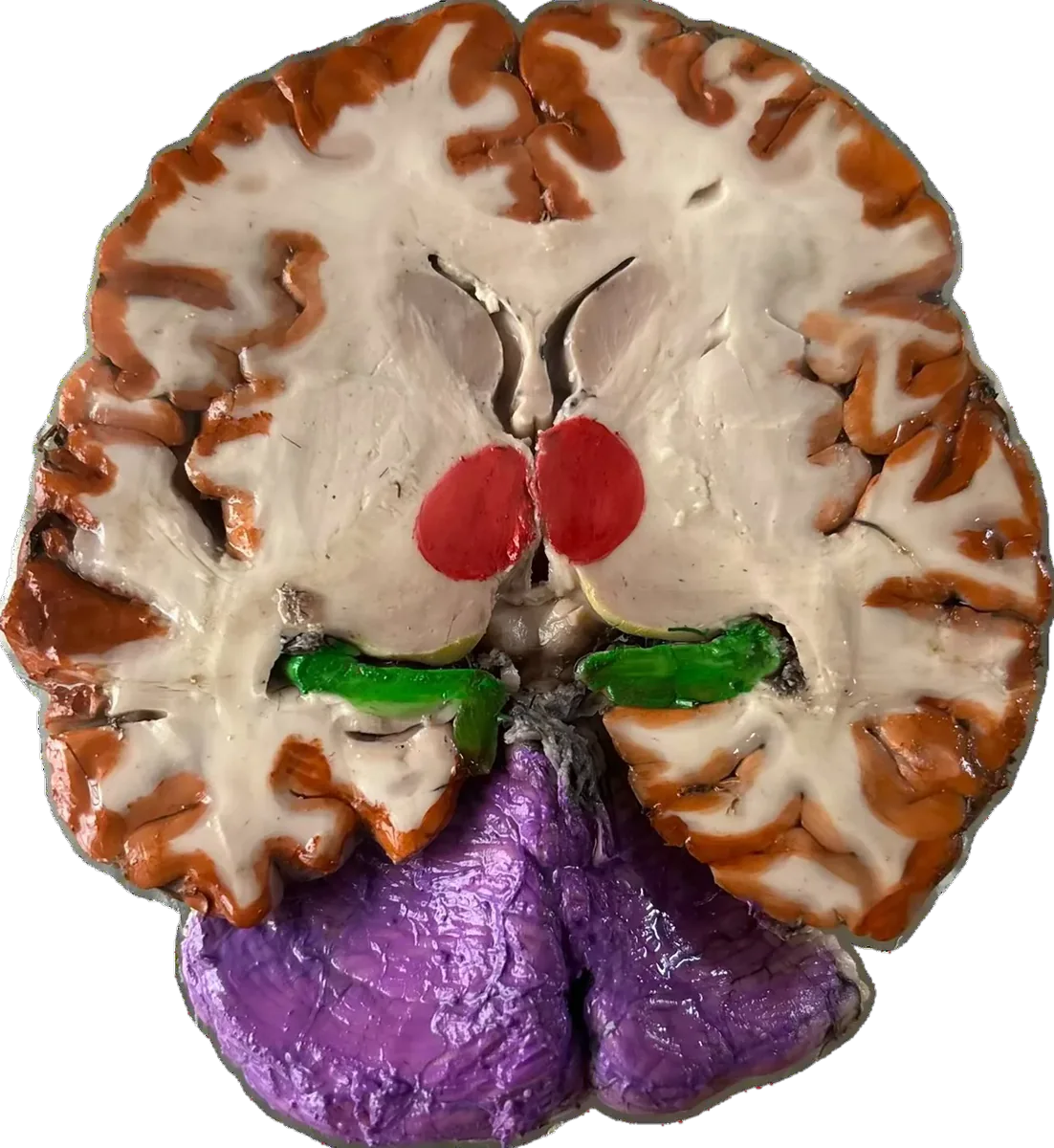
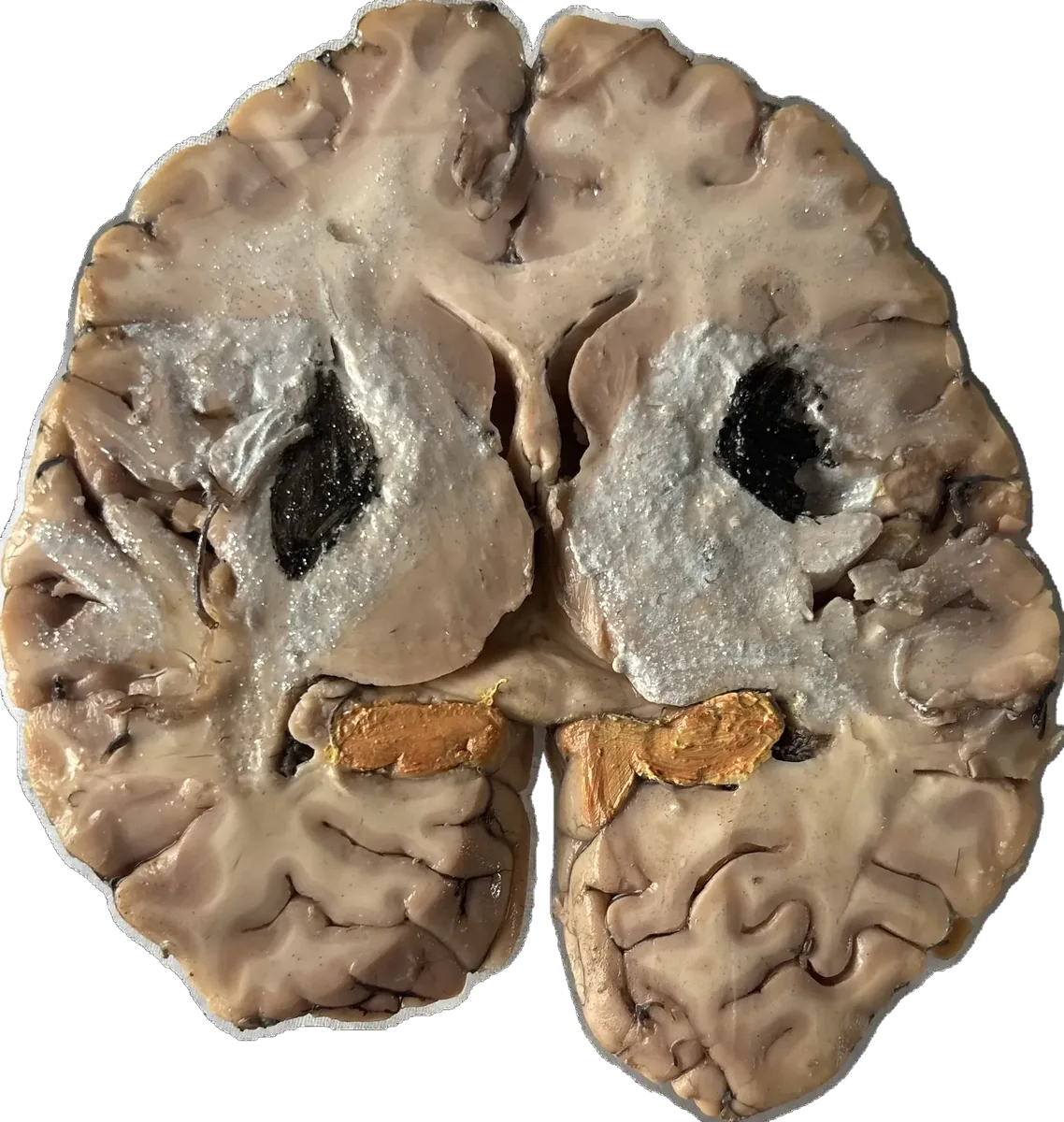
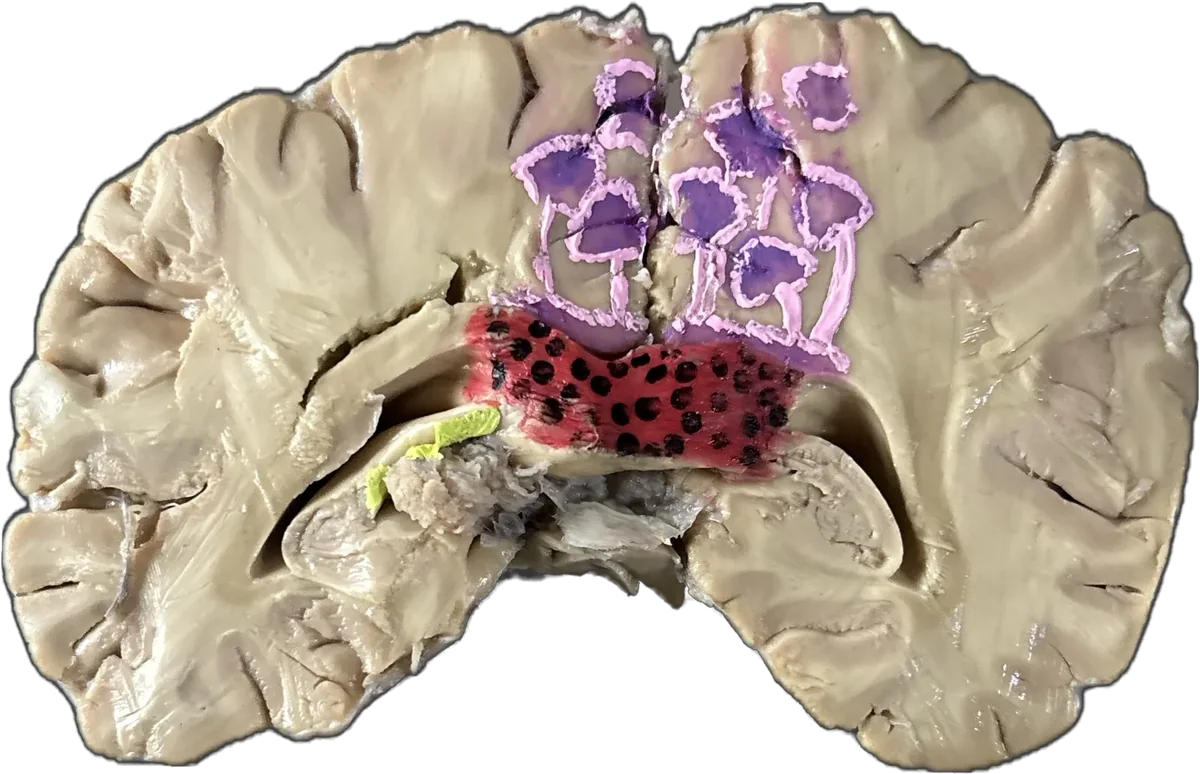
The principal psychoactive component of cannabis, Δ⁹-tetrahydrocannabinol (THC), acts mainly on CB1 receptors, which are abundant in the hippocampus, amygdala, cerebral cortex and cerebellum. The effects of cannabis on short-term memory and learning. Neuroimaging studies of regular, long-term users have reported reduced hippocampal volume, with changes also described in the amygdala and orbitofrontal cortex, although findings vary between studies. Unlike carbon monoxide poisoning, cannabis has no characteristic gross brain lesion at autopsy.