BM-72
Alcohol Poisoning
Description
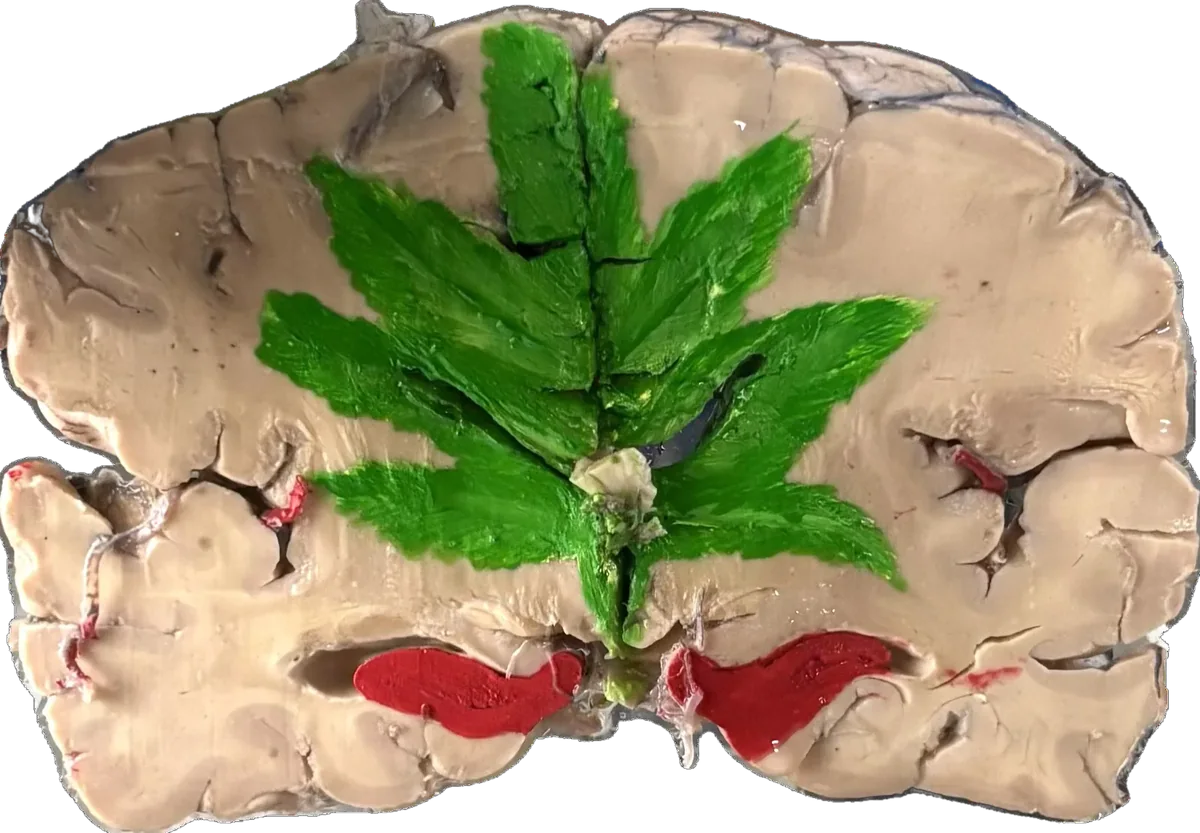
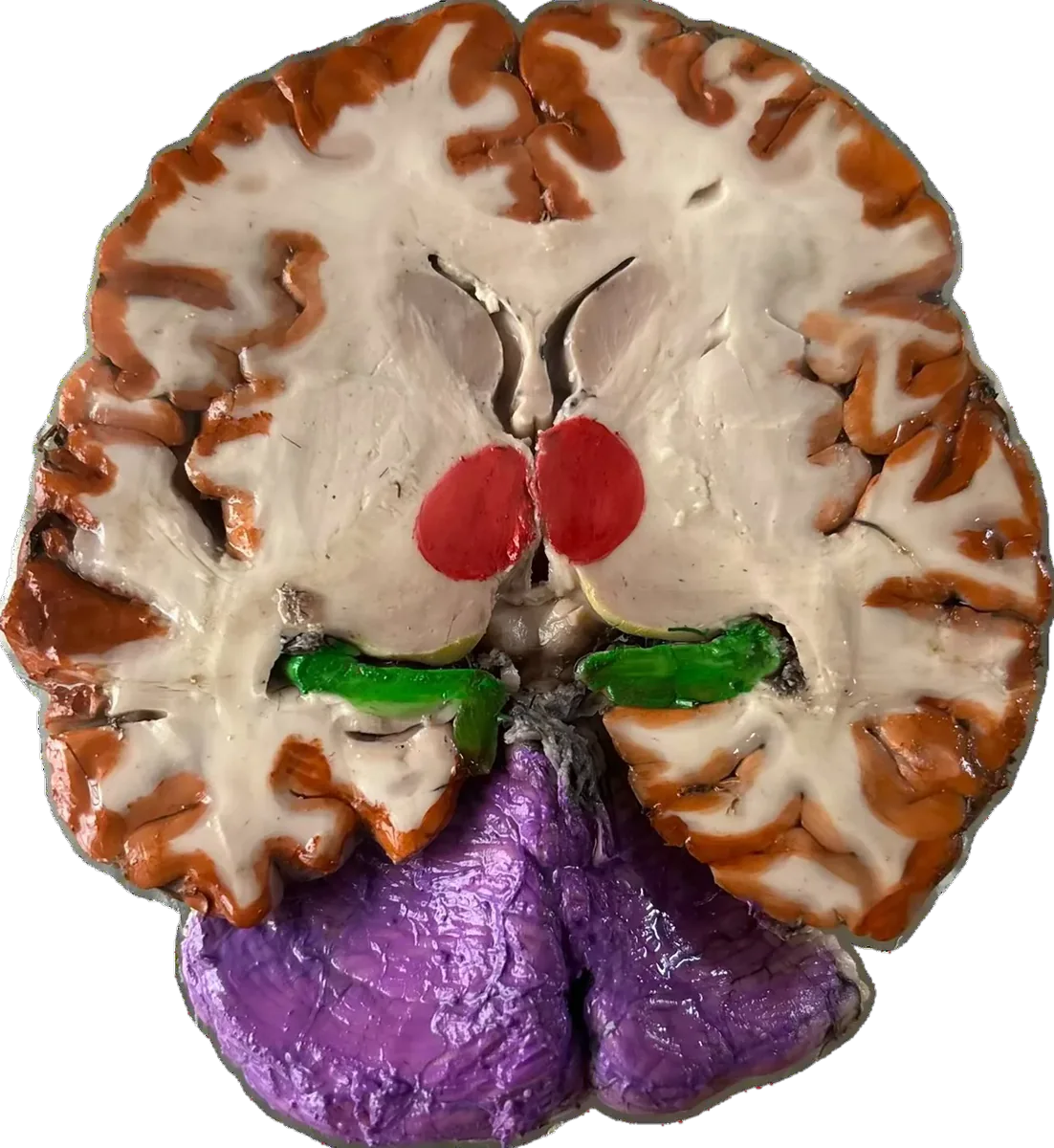
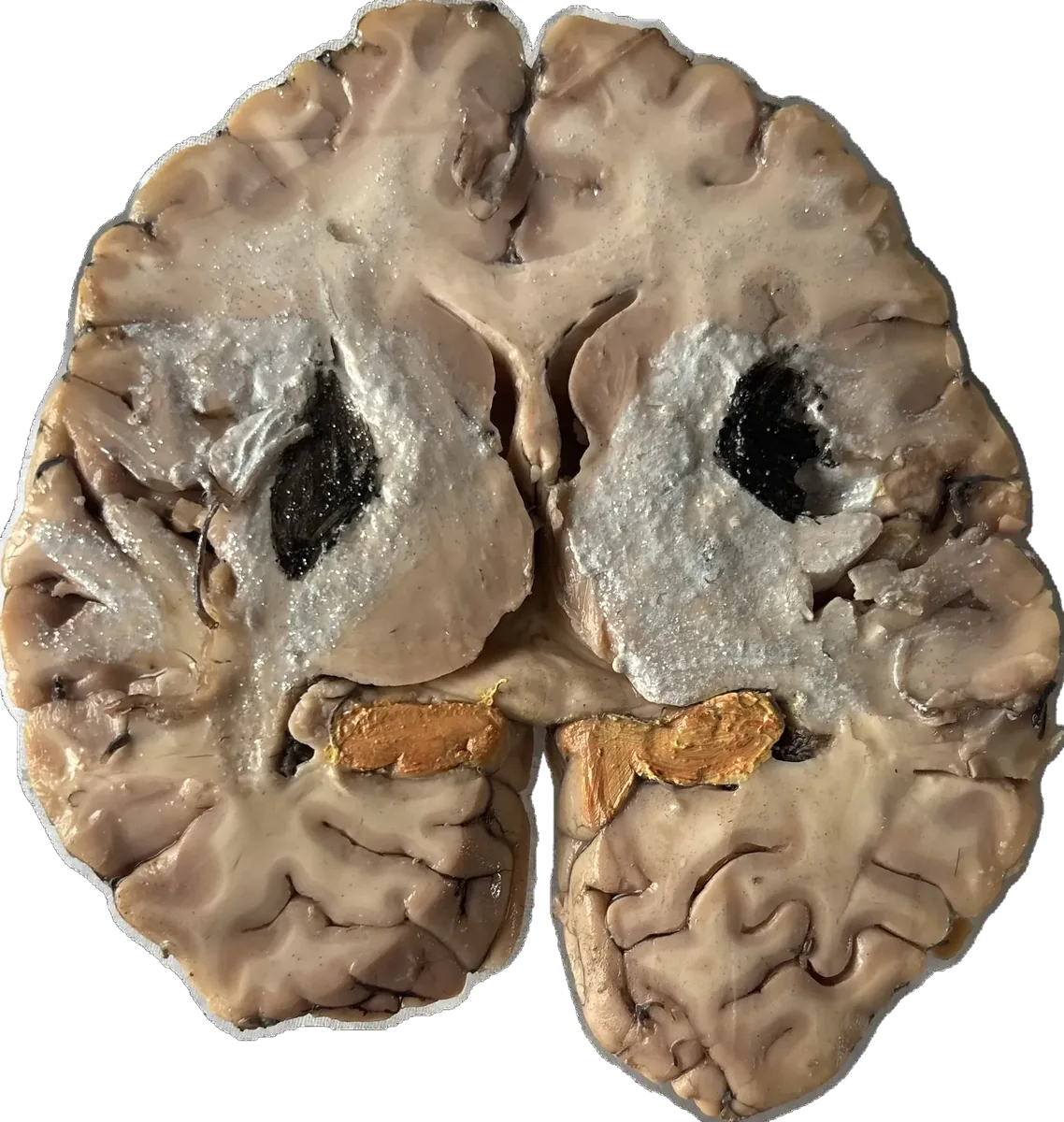
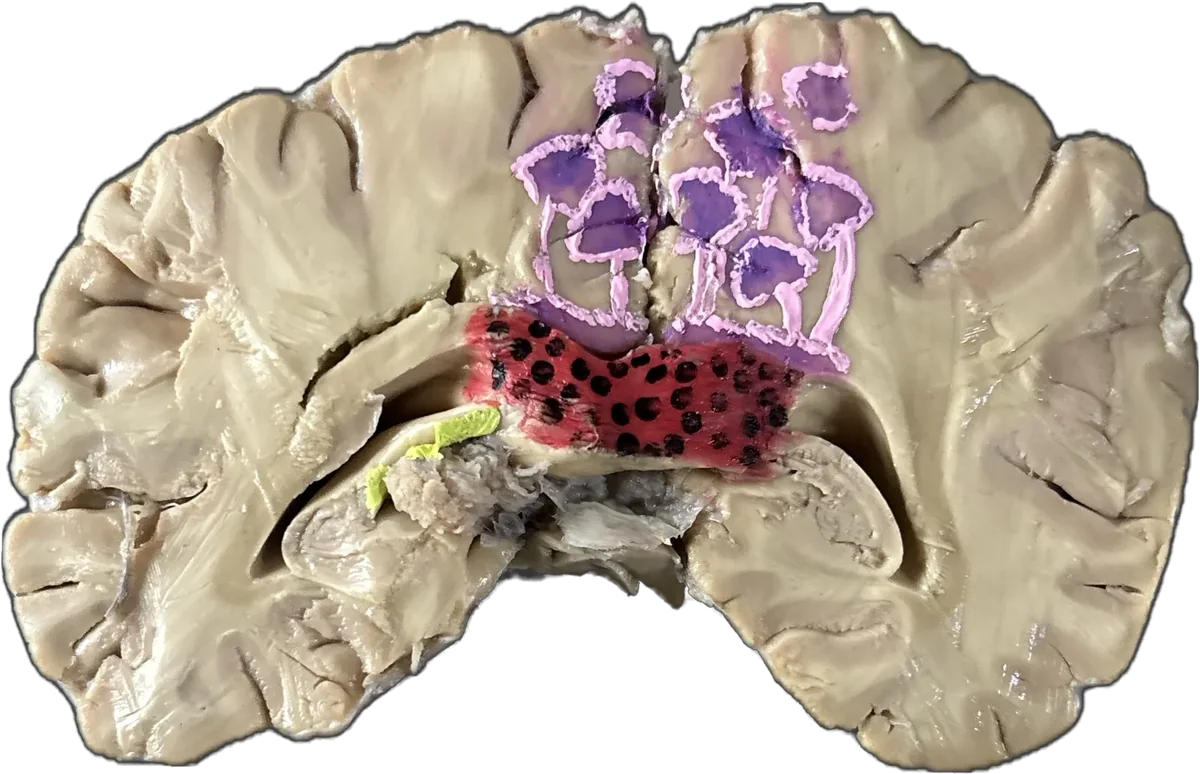
Chronic alcohol abuse produces characteristic changes in the brain, particularly cortical and cerebellar atrophy, seen grossly as shrunken gyri with widened sulci. Nutritional deficiency, especially thiamine (vitamin B1) deficiency, may produce Wernicke encephalopathy, classically affecting the mammillary bodies, periaqueductal region and medial thalamus, with petechial haemorrhage and neuronal injury. Clinically, it presents with confusion, gait ataxia and ocular abnormalities. Repeated episodes may progress to Korsakoff syndrome, characterized predominantly by severe memory impairment and confabulation. Thus, the alcoholic brain reflects both the direct neurotoxic effects of prolonged alcohol exposure and associated nutritional deficiency.