BM-07
Thrombosis of basilar artery
Description
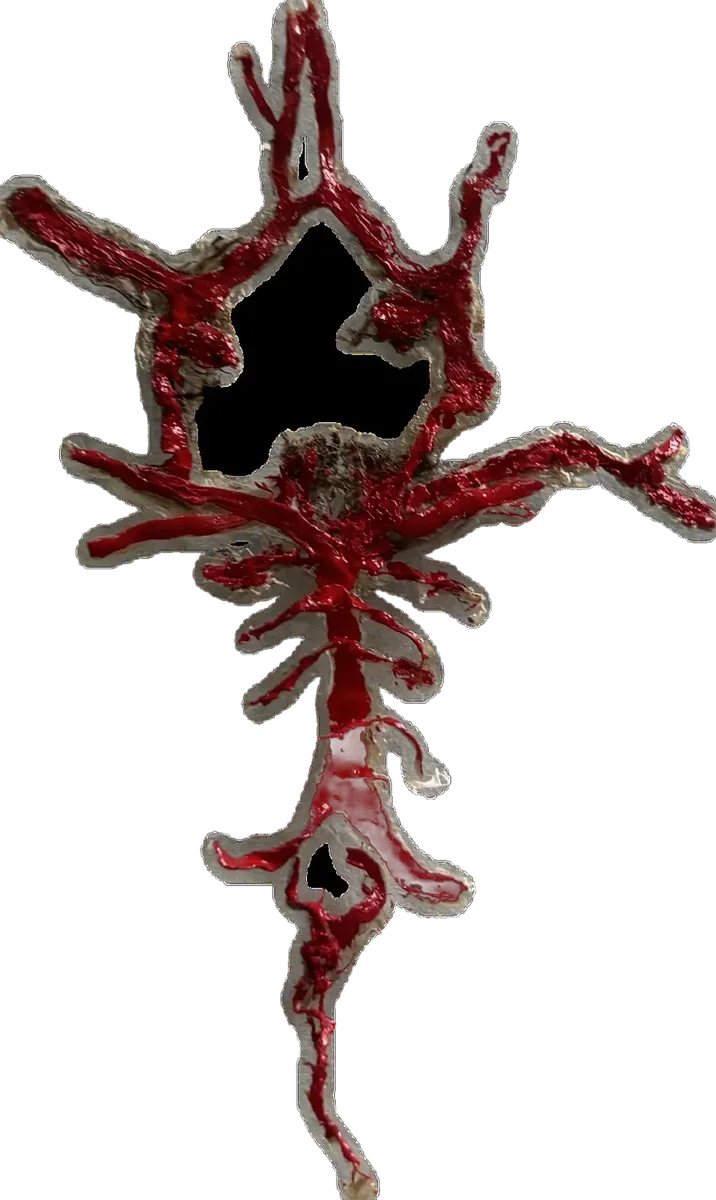
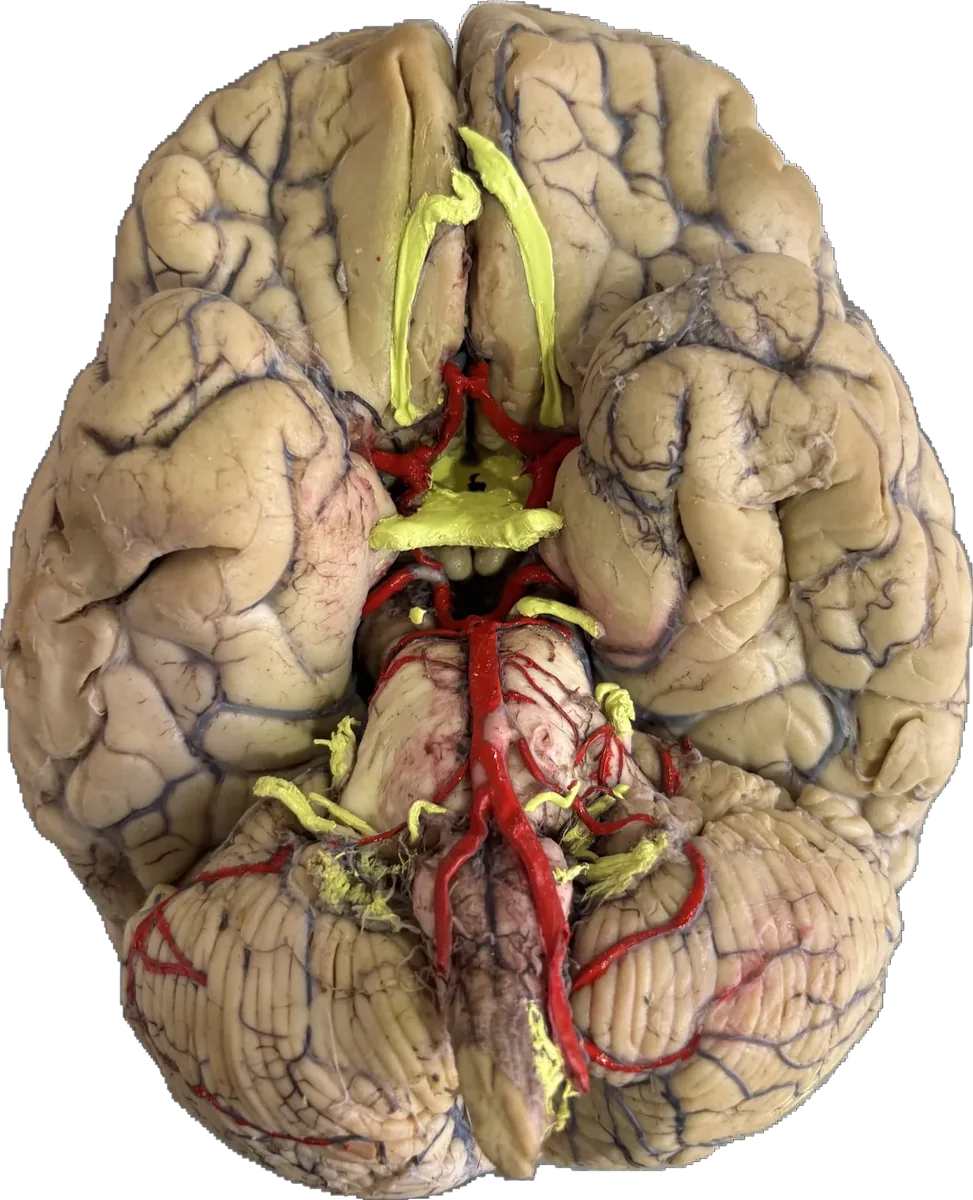
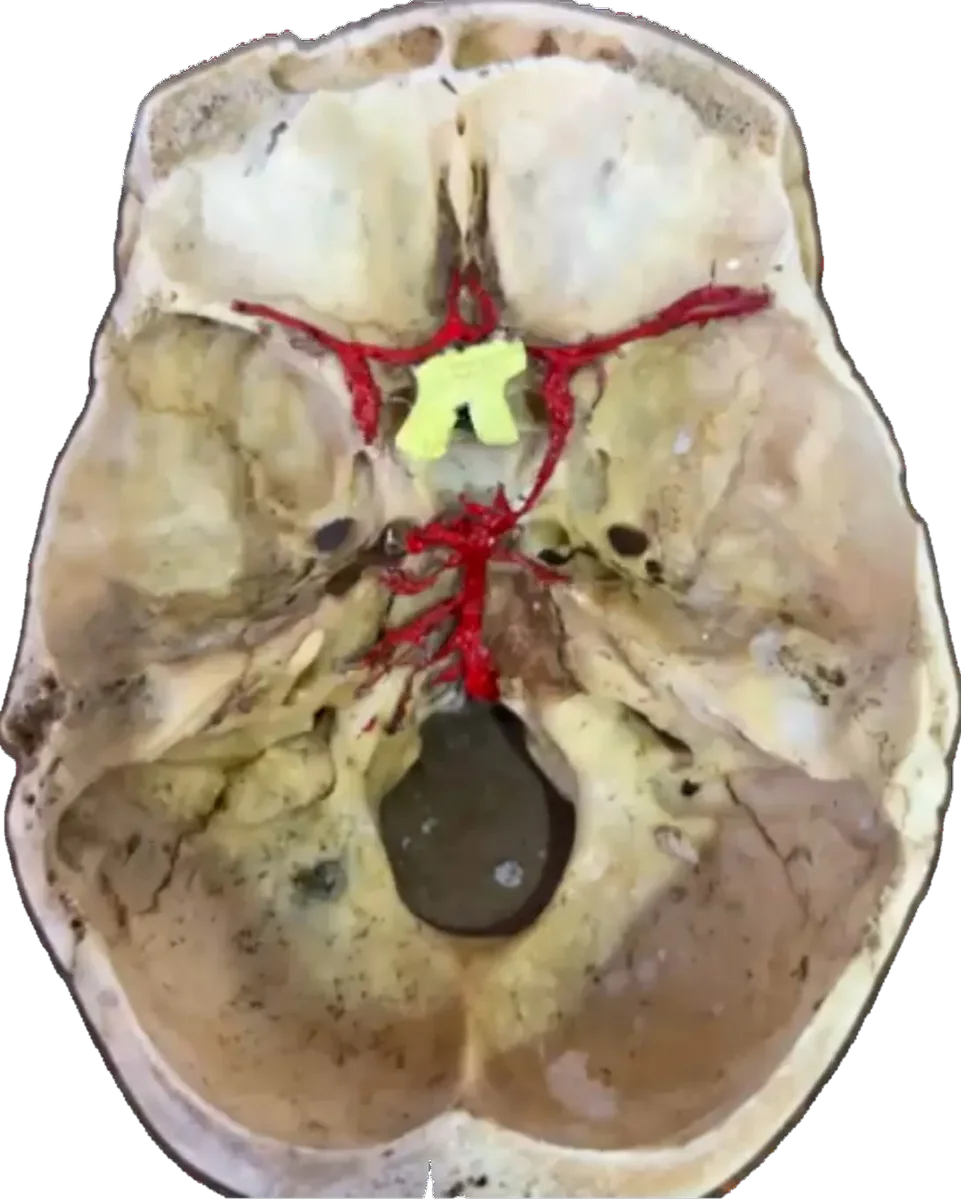
The basilar artery is a vital vessel contributing to the posterior cerebral circulation. It is formed at the junction of the pons and medulla by the convergence of the dual vertebral arteries. The vertebral arteries join the basilar artery to form the vertebrobasilar system, which supplies blood to the posterior portion of the circle of Willis. Its crucial purpose is to serve the cerebellum, brainstem, thalamus, occipital, and medial temporal lobes of the brain with oxygen-rich blood. Throughout its course, the basilar artery distributes the median, paramedian, short and long circumferential branches. It is located on the ventral surface of the neuronal "bridge" also known as the pons (Latin for "bridge") that connects the forebrain to the cerebellum. Overall, the basilar artery is one of the most important arteries of the human body. The cause can occur from thromboembolism, atherosclerotic disease or vascular dissection. The mechanism differs depending on the affected segment. Atherosclerotic disease more commonly affects the mid-portion of the basilar artery, followed by the vertebrobasilar junction. Lodging of an embolic source is much more frequent in the distal third of the basilar artery especially at the top of the basilar artery and the vertebrobasilar junction. Arterial dissection is more common in the extracranial vertebral artery and has been associated with neck injuries and cervical chiropractic adjustments. Intracranial dissections are exceedingly rare.