BM-52
Minnesota Criteria
CategoryPsychiatry
LocationRack and row to be confirmed
Description
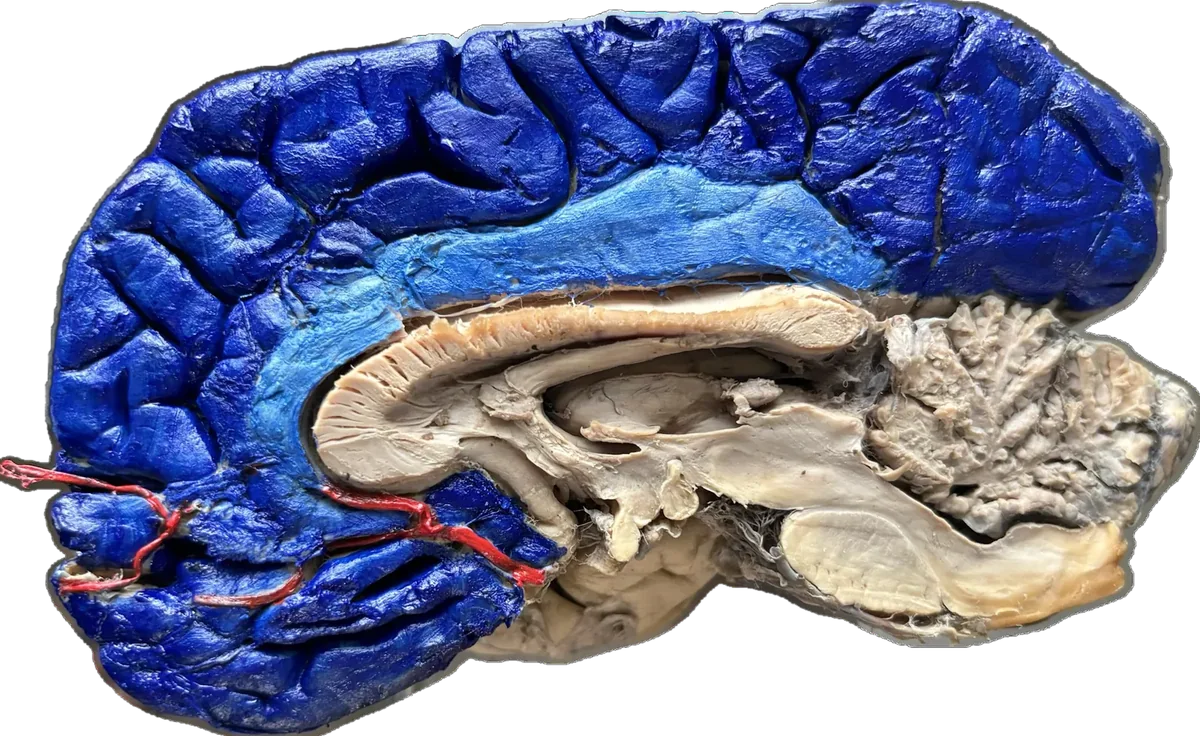
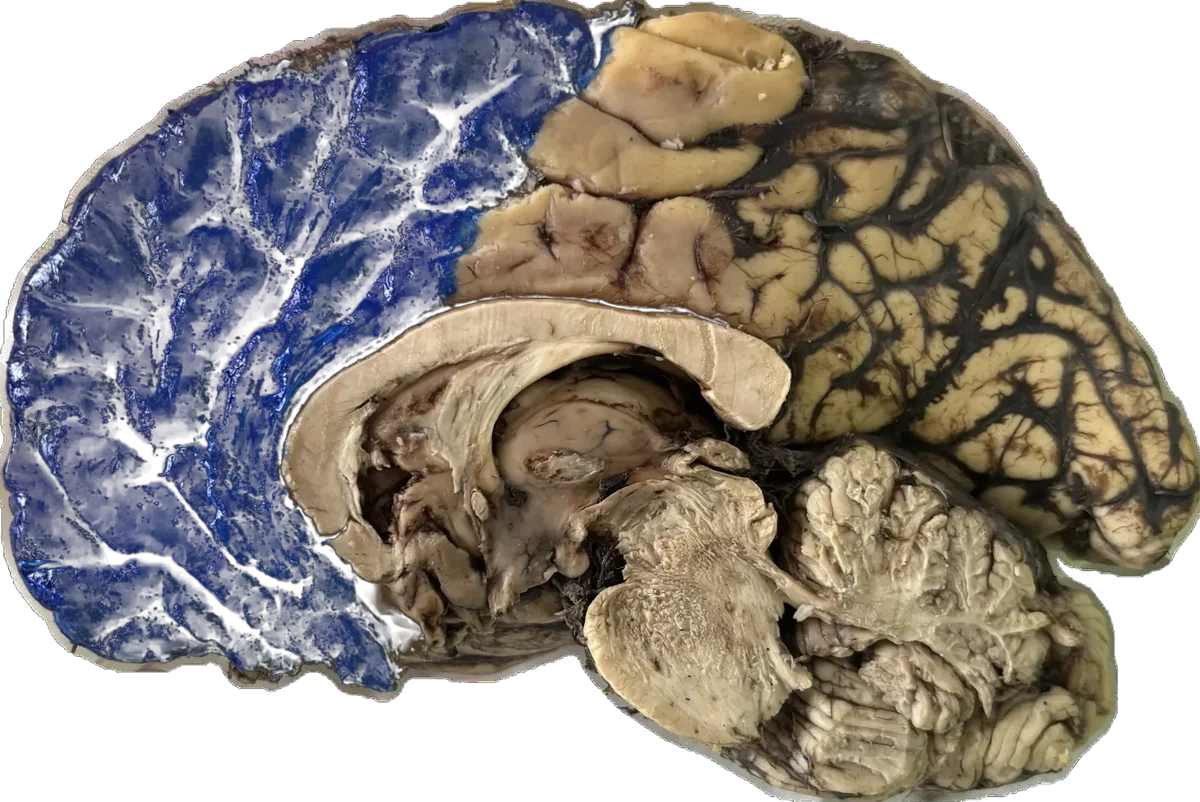
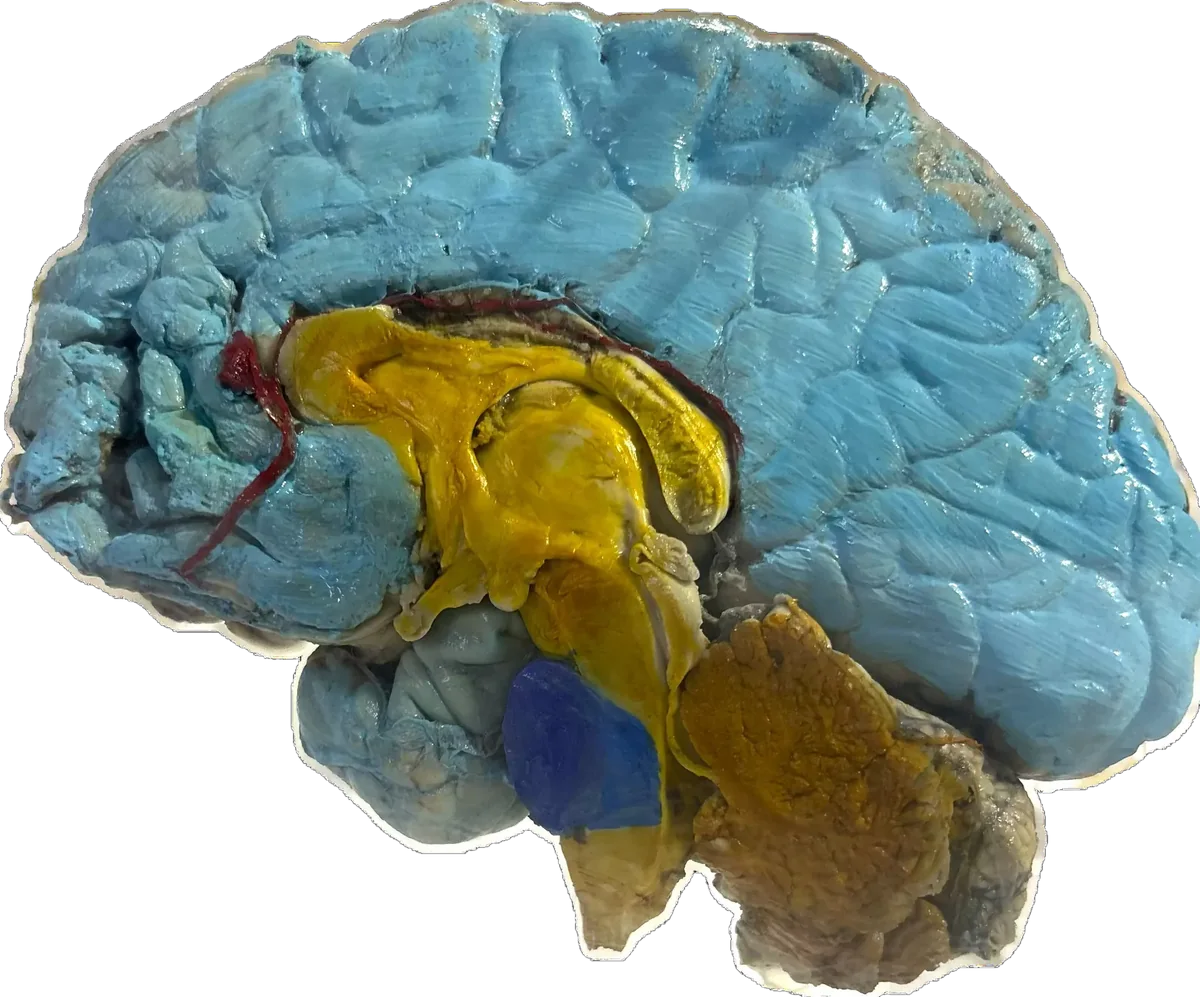
The Minnesota Criteria (1971) were among the early clinical guidelines developed for the diagnosis of brain death. They emphasized irreversible cessation of brain function, demonstrated by unresponsiveness, absence of spontaneous movements and breathing, and loss of brainstem reflexes. The condition must be attributable to an established and irreversible intracranial lesion, while reversible causes such as hypothermia and CNS-depressant drugs must be excluded. These criteria contributed to the evolution of modern concepts of brainstem and whole-brain death and helped establish neurological determination of death in clinical practice.